
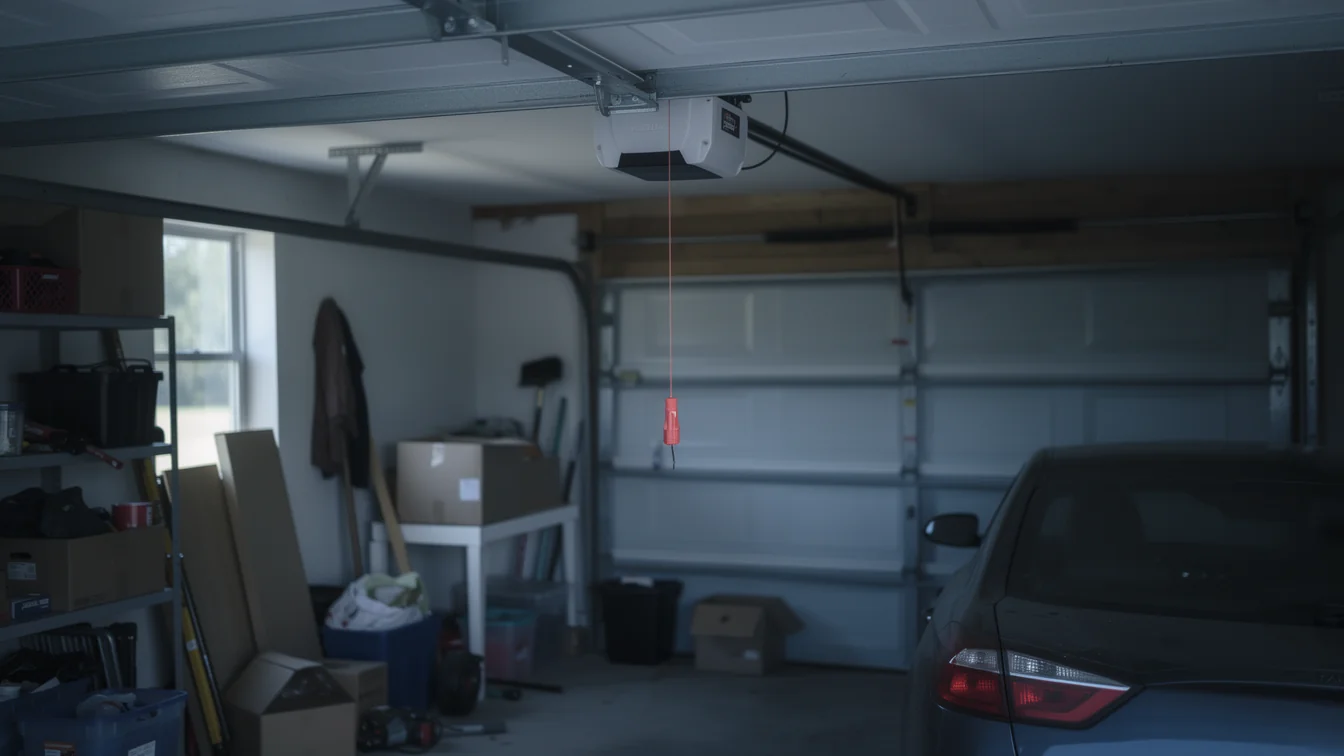
 What Actually Happens to Your Opener When the Power Goes Out
A Kankakee, IL look at why garage openers fail during power cuts, how 1960s-70s housing stock and cold-severe winters factor in, and when it's a call, not a DIY fix.
Noises That Mean Something: A Kankakee Homeowner's Guide
A guide for Kankakee homeowners on garage door noises, tied to the area's 1960s-70s housing stock and cold winters, from Kankakee Garage Door Pros.
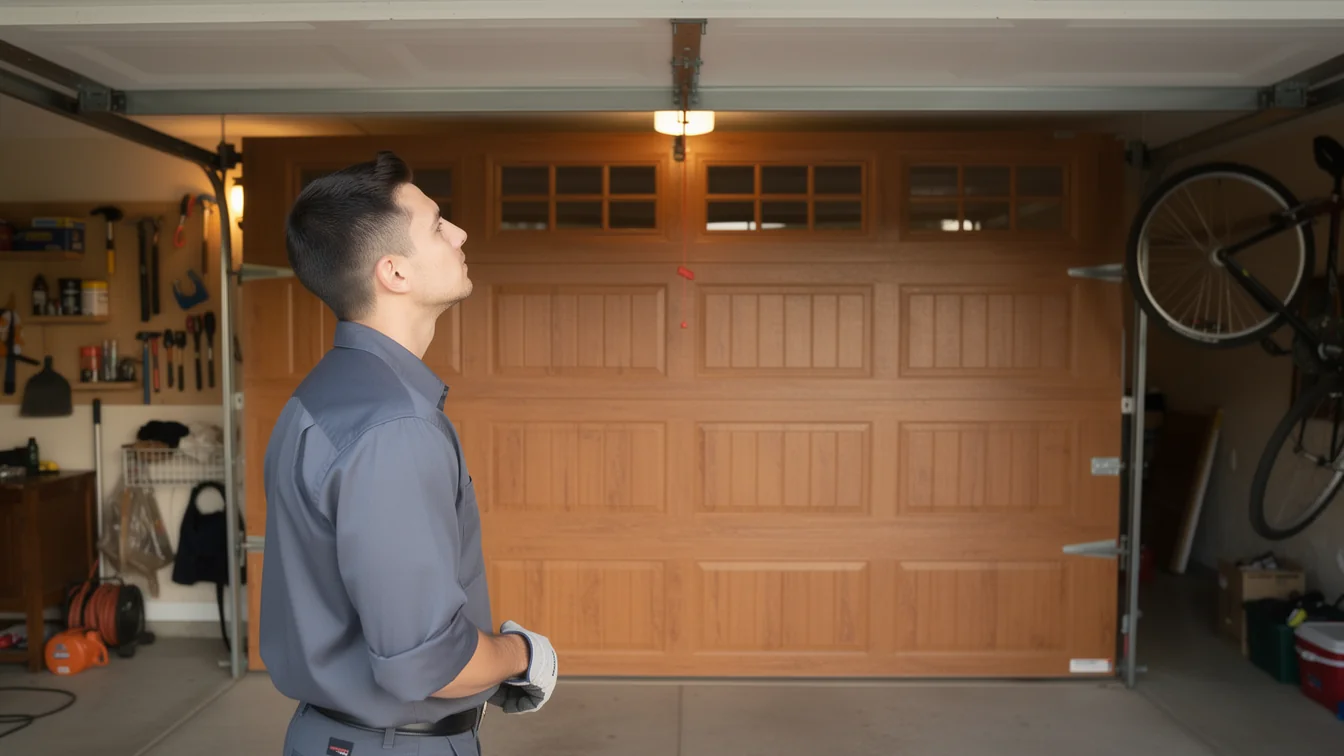
Local detail
When Waiting Is Fine
A single pop or thud when the door first moves is usually nothing. Garage doors here went up mostly in the 1960s and 70s, and a lot of that original hardware has settled into its own rhythm over fifty-plus years. Rollers that have gone a few seasons without grease will chirp. A track with a loose but not broken bracket will rattle once near the top of travel and then quiet down. None of that needs a same-day call.
Cold mornings make this worse. In a severe cold climate band, steel contracts, grease thickens, and a door that ran silent in August can sound rough in January without anything actually being wrong. If the noise is consistent - same spot, same volume, every single cycle - and the door still opens and closes all the way, you're probably looking at a lubrication job, not a repair.
The honest limit here: we can't tell you over the phone whether your noise is cosmetic or structural. A chirp today can be a symptom tomorrow, especially on hardware this old. If you're not sure, a short visit to look and listen costs less than guessing wrong.
The area
What Is Going On
Most of the noise complaints we hear trace back to the housing stock itself. Homes in this service area were built between 1938 and 1993, with the median landing around 1969 - which means a large share of doors and openers are original or close to it, running on hardware nobody manufactures anymore. A grinding sound usually means a bearing inside the roller has worn through its sleeve. A sharp bang followed by the door refusing to move is almost always a broken torsion spring, and on houses from that era it's often a single spring carrying a double door, which fails harder and louder than a two-spring setup.
A rhythmic knock that speeds up as the door rises can mean a bent track - common after decades of minor door-to-car contact. A high-pitched squeal that stops once the door is fully open points to a dry hinge, not a motor problem. None of these diagnoses require guessing; they require listening to where in the cycle the sound happens and matching it against hardware that's had fifty-plus winters to wear down.
What we find
When It Stops Being a DIY Job
Grease and a tightened bolt handle most of the small stuff. Once you hear a loud bang and the door won't budge, stop. That's very likely a broken torsion spring, and torsion springs are under enough tension to cause real injury - this is not a YouTube afternoon, it's a call.
Same goes for a cable that's come off its drum, visible on one side of the door as a slack or frayed line. Don't try to re-seat it yourself. And if the opener runs but the door doesn't move, or moves unevenly side to side, that's a balance or hardware issue, not a settings fix.
We'll say plainly what we won't do: if a door is original to a house built in the 1940s or 50s and the track, drum, and spring system are all original too, patching one failed part often just buys a few months before the next one goes. At some point replacement costs less than a string of repairs on hardware that's outlived its design life. We'll tell you when you've hit that point instead of billing you to find out twice.
How we work
How Local Conditions Play In
Cold does specific, predictable things to a garage door. In a severe cold climate, the steel torsion spring loses tension faster than it would in a mild one - a spring rated for a certain number of cycles gives you fewer of them when it's working through real winter swings. That's part of why January and February are when a lot of these older systems finally let go, even though the wear happened gradually over years.
Humidity and freeze-thaw cycling also work on the wood jambs and trim common to houses built before the 1990s, which can shift a frame just enough to throw off door alignment - another source of the creak-then-bang pattern we hear about. None of this means you need a new door every winter. It means a door that's been quiet for a decade can develop a noise in one hard cold snap, and that noise is the hardware telling you it's working harder than it used to.
Questions
Common questions
My garage door squeals only when it's cold out. Is that serious?
Usually not on its own. Cold thickens grease and contracts metal, so hinges and rollers that are fine in summer can squeal in winter. Lubricate the hinges, rollers, and track. If the squeal turns into a grinding or scraping sound, or it doesn't ease up once the door's been run a few times, that's worth a look.
I heard one loud bang and now the door won't open at all. What is that?
That's almost certainly a broken torsion spring, common on houses with original hardware from the 1960s-70s building boom in this area. Don't try to force the door open or release the opener manually - the spring may still be under tension. This is a call, not a DIY fix.
Why does my door sound worse than it did last winter?
Hardware wears gradually, and severe cold accelerates spring fatigue and stiffens lubricant, so problems that were building quietly for seasons often surface all at once during a hard cold stretch. A noise that's new or getting louder each week is worth having checked before it becomes a no-open situation.
Recommendation
You Might Also Like
More garage door guides for Kankakee homeowners.
What Actually Happens to Your Opener When the Power Goes Out
A Kankakee, IL look at why garage openers fail during power cuts, how 1960s-70s housing stock and cold-severe winters factor in, and when it's a call, not a DIY fix.
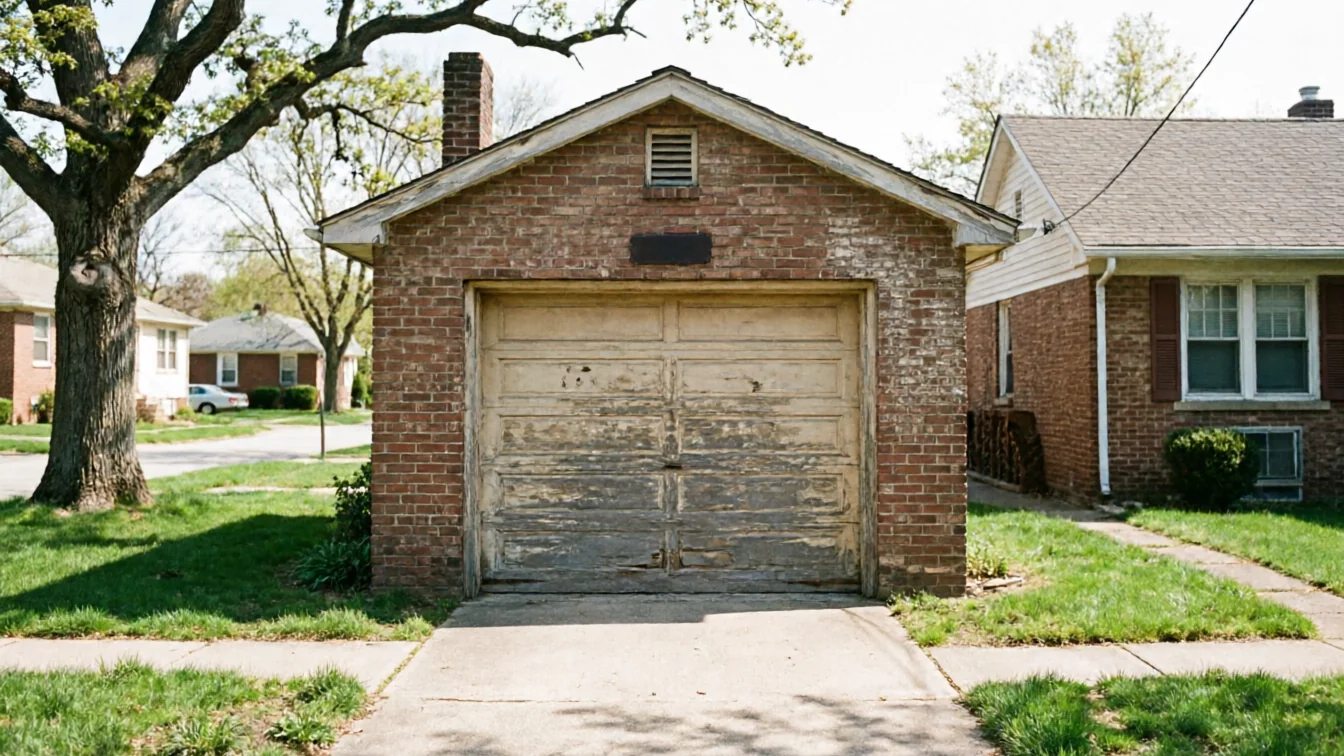 Is Your Old Kankakee Garage Door Worth Fixing, or Done
Kankakee's housing mostly dates to 1938-1969.
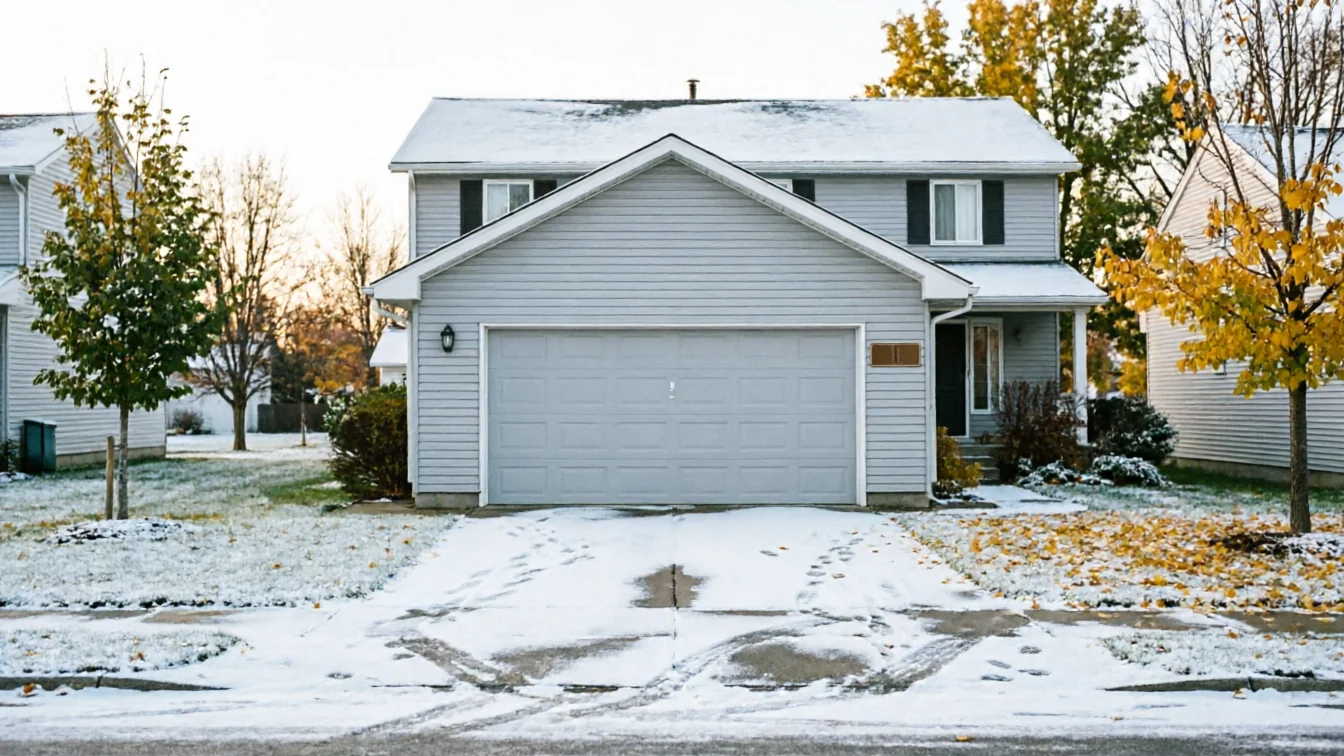 What a Broken Spring in Cold Weather Means for a Kankakee Garage
Kankakee's housing stock dates mostly to 1938-1993, and severe cold stresses older torsion springs hard.
Ready when you are
Need a garage door sorted in Kankakee?
Kankakee Garage Door Pros repairs and installs garage doors, springs and openers in Kankakee, IL and the surrounding area.