Kankakee, IL
Garage Door Maintenance in Kankakee's Older Homes
Garage door maintenance for Kankakee's older housing stock and cold winters - what breaks, why it breaks here, and what a real tune-up actually covers.
The Complications
Most of the housing in the Kankakee service area went up between 1938 and 1993, with the bulk of it dating to the 1960s and 70s across the thirteen communities we cover - Kankakee itself plus Aroma Park, Bradley, Bourbonnais, Limestone, St.
Decades without upkeep
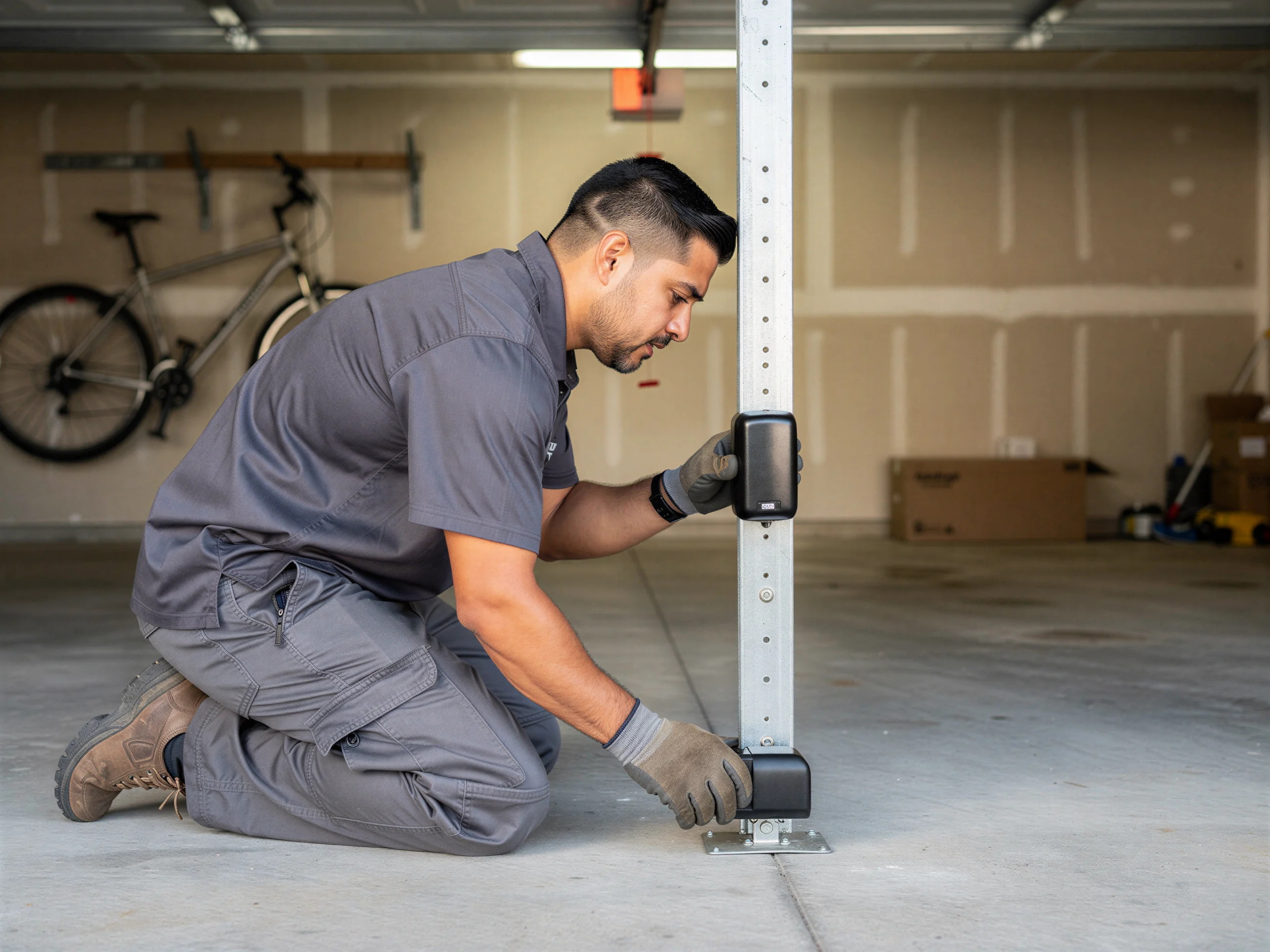
Anne, Manteno, Momence, Clifton, Herscher, Hopkins Park, Grant Park, Peotone, and Donovan. A door installed or last replaced during that build era is now 50 to 85 years into a system that was never designed to run maintenance-free that long. Springs lose tension gradually, so owners don't notice until the opener is straining on every cycle.
Brackets working loose
Track brackets pull loose from framing that's shifted slightly over six decades. None of this is dramatic - it's slow wear hidden behind a door that still opens and closes, which is exactly why it gets skipped until something snaps. The region also sits in a severe cold climate band, and that matters more for maintenance than for installation.
Cold-stiffened lubricant
Lubricant that's fine in July turns stiff in January. Weatherstripping that looked intact in the fall cracks the first hard freeze. A door that's never been serviced is carrying two kinds of age at once - the house's and the season's - and in this area, both are working against it at the same time.
What You Are Seeing
The most common call we get isn't a door that won't open - it's a door that opens but sounds wrong doing it. A grinding or popping noise from the spring side usually means a torsion spring that's lost tension and is now letting the opener do work it was never built for.
Catching partway up
On original 1960s and 70s hardware, that spring has often never been replaced, which means it's been flexing for decades longer than its rated cycle life. Owners also report the door catching partway up, or reversing on its own near the top of the track.
Roller or bracket issues
That's frequently a roller or bracket issue, not the opener's logic board - a distinction that matters because swapping an opener doesn't fix a track that's slightly out of alignment from decades of settling. In winter, a door that drags or hesitates right at the bottom is often a weatherstrip seal gone stiff with cold, dragging on the slab instead of sealing against it.
Heating-season stress
None of these are emergencies on day one. All of them get worse with every cold front, because cold tightens metal tolerances and stiffens lubricant exactly when the door is cycling the most - heating season is when garages get used as a buffer room, so the door opens more, not less.
What the Fix Involves
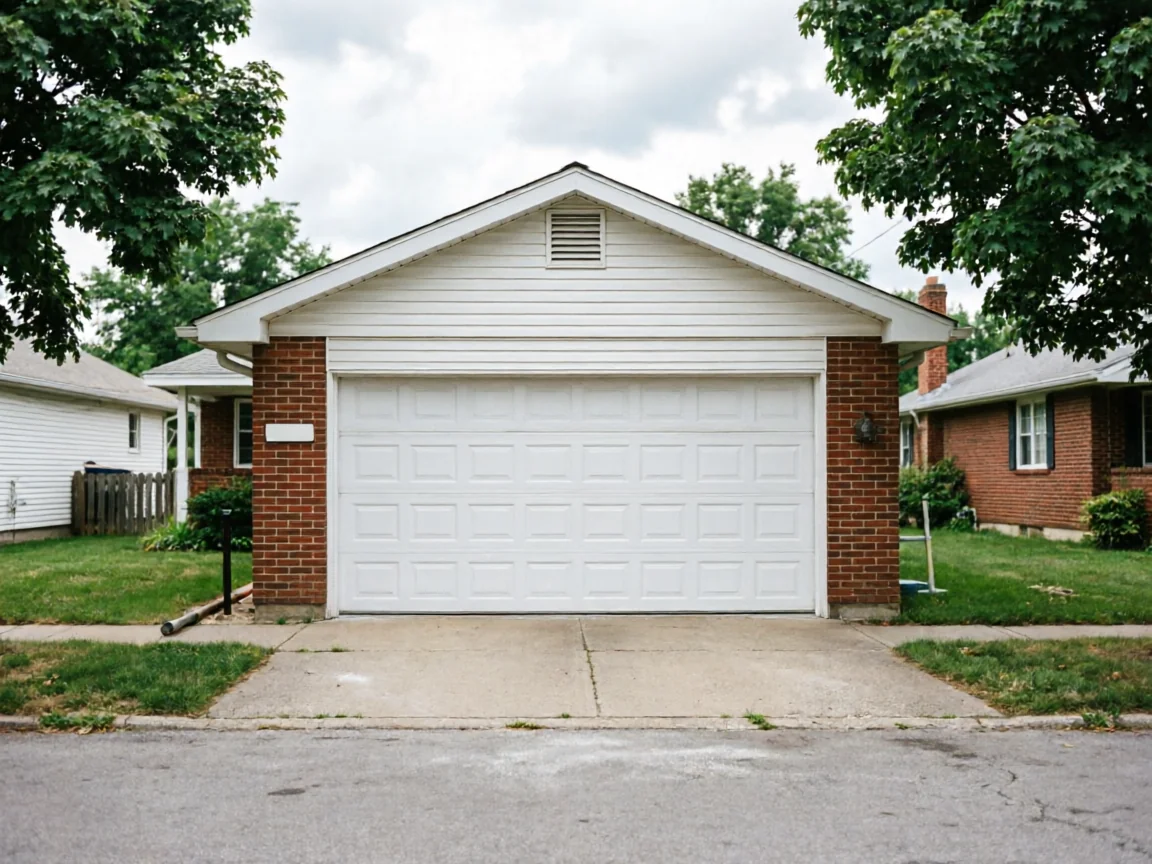
A real maintenance visit on a house from this era starts with the spring, not the opener. We check tension against the door's actual weight and cycle count, not a generic chart, because a lot of these doors have had panels swapped over the years and no longer weigh what the original spec assumed.
Roller and hinge inspection
Track alignment gets checked with the door under load, since misalignment usually only shows up when the door is moving, not sitting still. We also pull and inspect the rollers and hinges - on original hardware this is usually steel-on-steel with no sealed bearing, which wears faster and louder than anything installed in the last fifteen years.
Cold-band lubricant choice
Lubrication uses a product rated for the cold band this area sits in, not a one-size household spray that gums up below freezing. The honest part: if the spring, track, and rollers are all original from a 1960s build, a maintenance visit can extend the life of the system, but it won't make 60-year-old hardware behave like new parts.
Knowing when to replace
At some point the smarter move is swapping out the spring and rollers rather than servicing them again, and we'll tell you when we think you're at that point instead of billing another visit.
Why This Fails Locally
This isn't a generic wear-and-tear story. The failure pattern across our service area tracks directly to two things: a housing stock concentrated in the 1960s and 70s, with outliers back to 1938, and a cold climate severe enough that metal fatigue and lubricant failure both accelerate every winter. A door of this age in a milder climate would likely coast another decade on neglect. Here, the combination means the same original spring is absorbing both age-related fatigue and a wider temperature swing on torque every single cold morning.
Across roughly 21,900 households and over 11,400 owner-occupied houses in the area we serve, a large share of those garages are running hardware that predates sealed bearings, factory-balanced torsion systems, and cold-rated lubricants. That's not a knock on the houses - it's just the math of an older housing stock sitting in a harsh climate band. Maintenance scheduled around the season, not around a breakdown, is what actually works here: catching spring wear and track drift before the first deep freeze of the year, rather than after a door won't open at 6am in January.
Questions
Common questions
How often should I get my garage door serviced in Kankakee?
Given the climate band and the age of housing stock in this area, once a year before winter is the baseline most owners here need - timed so spring tension and lubrication are checked before the first hard freeze, when metal tolerances tighten and lubricant stiffens fastest.
My door is original to a 1960s or 70s house - is maintenance still worth it?
Usually yes, up to a point. A tune-up can extend the life of original hardware and catch a spring or roller problem before it strands the door. But if the spring and rollers are both original and decades past rated cycle life, we'll tell you when replacement makes more sense than another service visit.
Why does my door act up more in winter than summer?
Cold tightens metal tolerances in the track and springs, and it stiffens lubricant right when heating season has the garage cycling more often. That combination is why a door that seemed fine in October starts dragging or grinding by January.
Do you cover areas outside Kankakee itself?
Yes - our service area includes Aroma Park, Bradley, Bourbonnais, Limestone, St. Anne, Manteno, Momence, Clifton, Herscher, Hopkins Park, Grant Park, Peotone, and Donovan, each with its own page covering local specifics for that town.
Explore more
Explore More Services In Kankakee, IL
Garage Door Opener Installation for Kankakee Homes
Kankakee's housing stock runs 1938 to 1993, and most original openers weren't built for this cold. Learn more →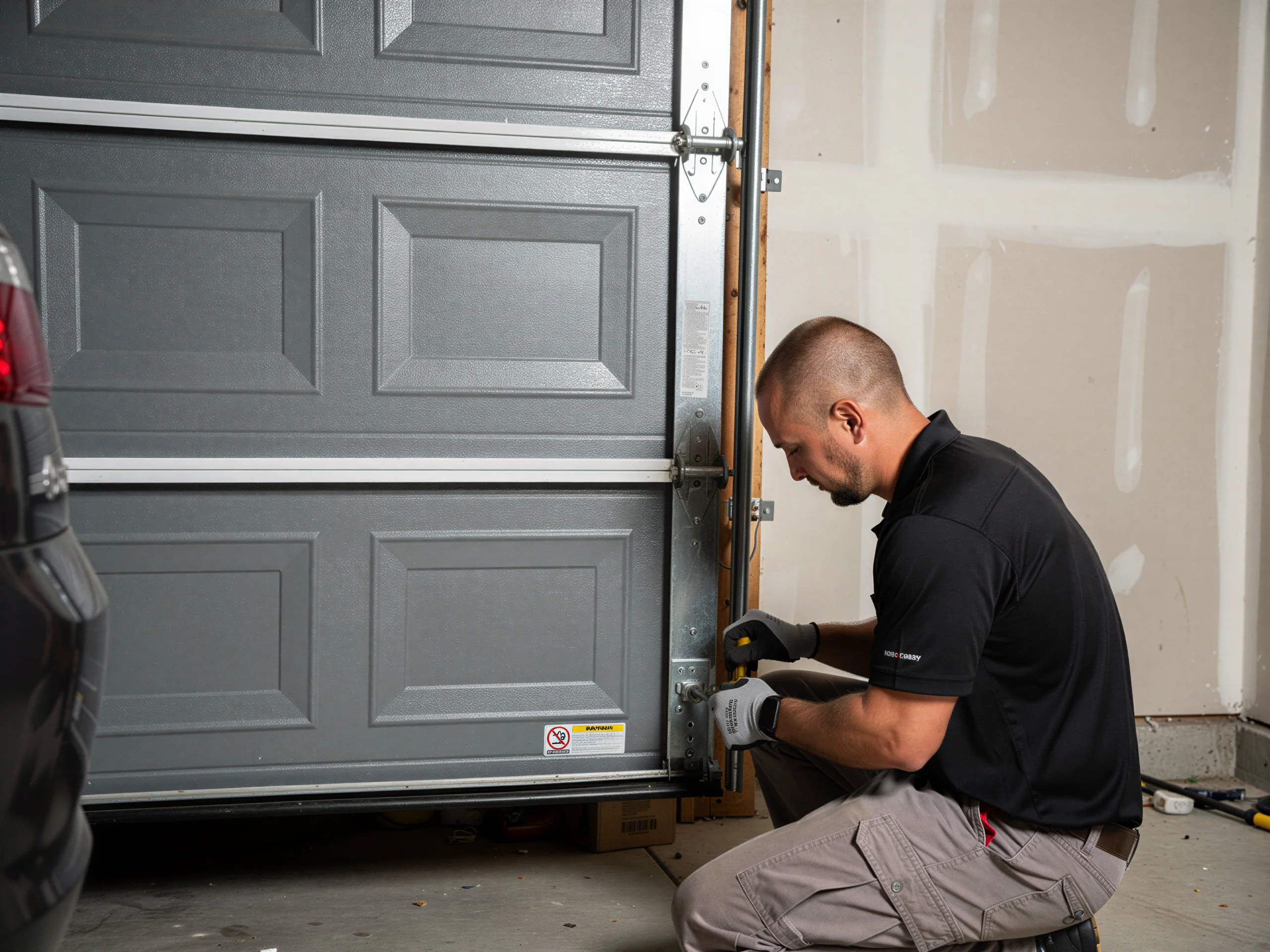
Kankakee Garage Door Repair: Fixing 1960s-Era Springs and Tracks
Kankakee's housing mostly dates to 1969, and cold-climate steel fatigue hits torsion springs and tracks hard. Learn more →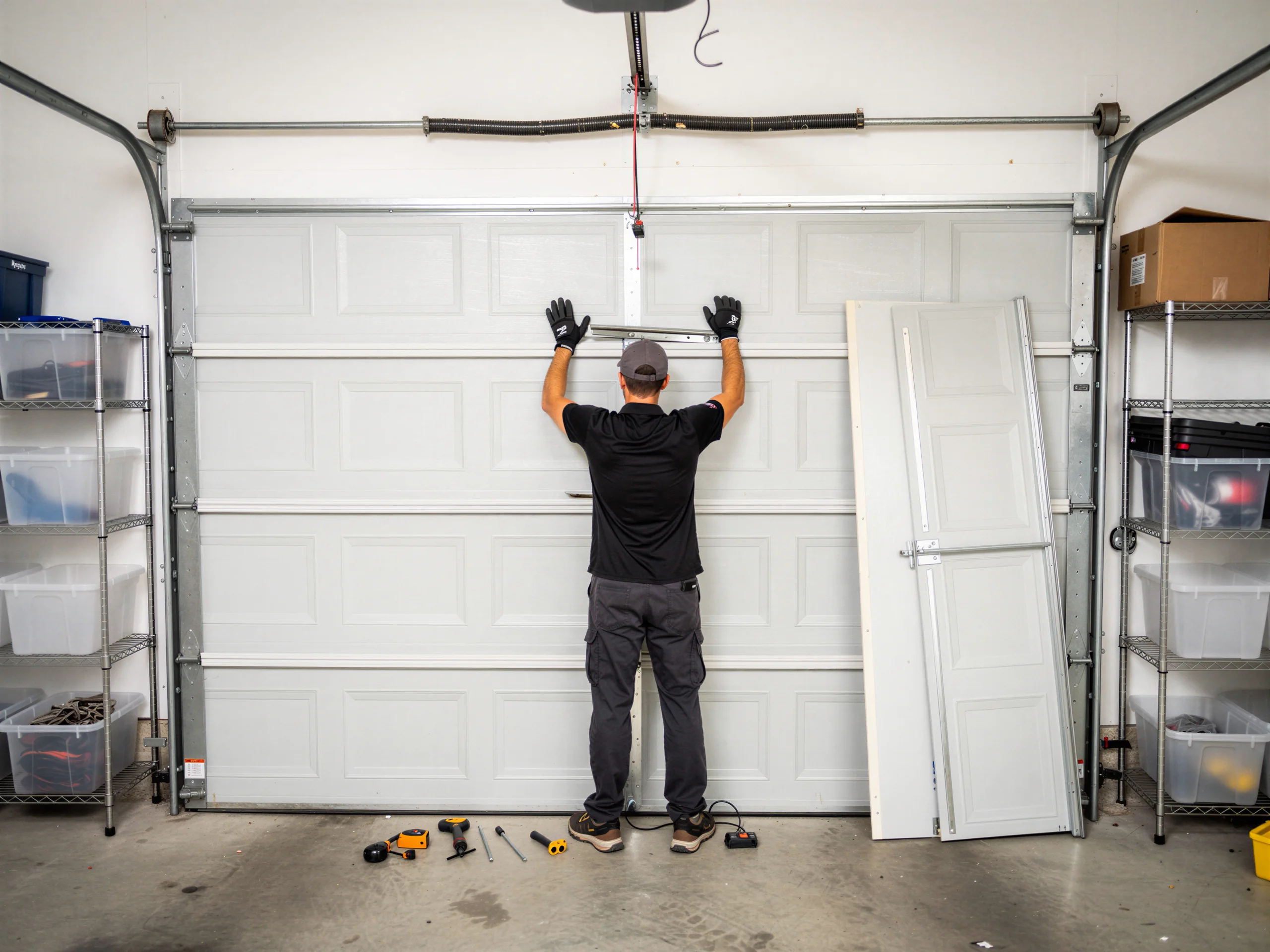
Panel Replacement for Kankakee's Older Garage Doors
Dented or cracked panels on Kankakee-area garage doors, most built 1938-1993. Learn more →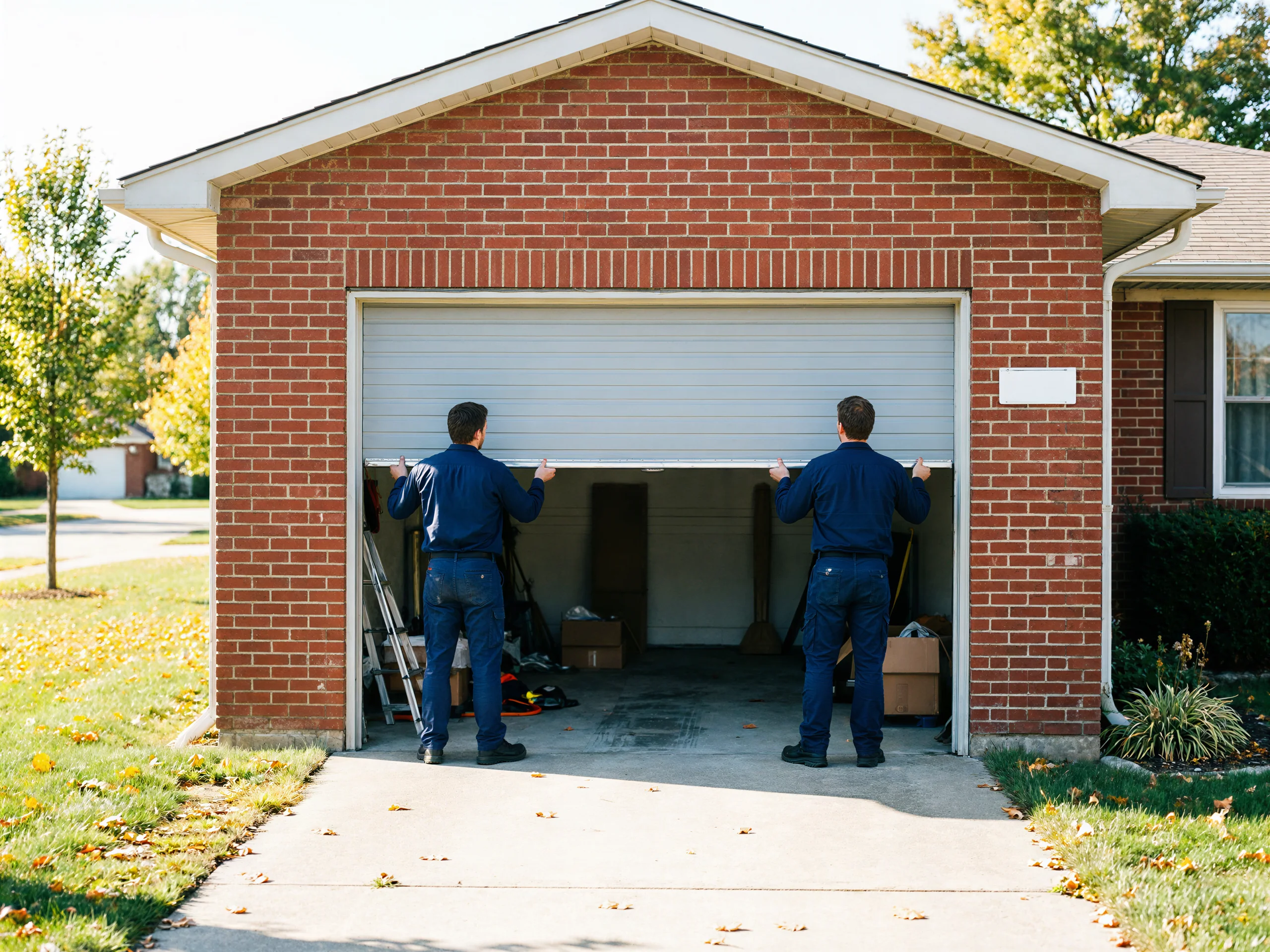
Garage Door Installation Built for Kankakee's Older Openings
New garage door installation for Kankakee homes built 1938-1993, sized for original openings and rated for severe cold winters. Learn more →
Garage Door Service for Kankakee's Older Torsion Hardware
Kankakee homes built mostly between 1960 and 1979 run original torsion hardware through severe cold winters. Learn more →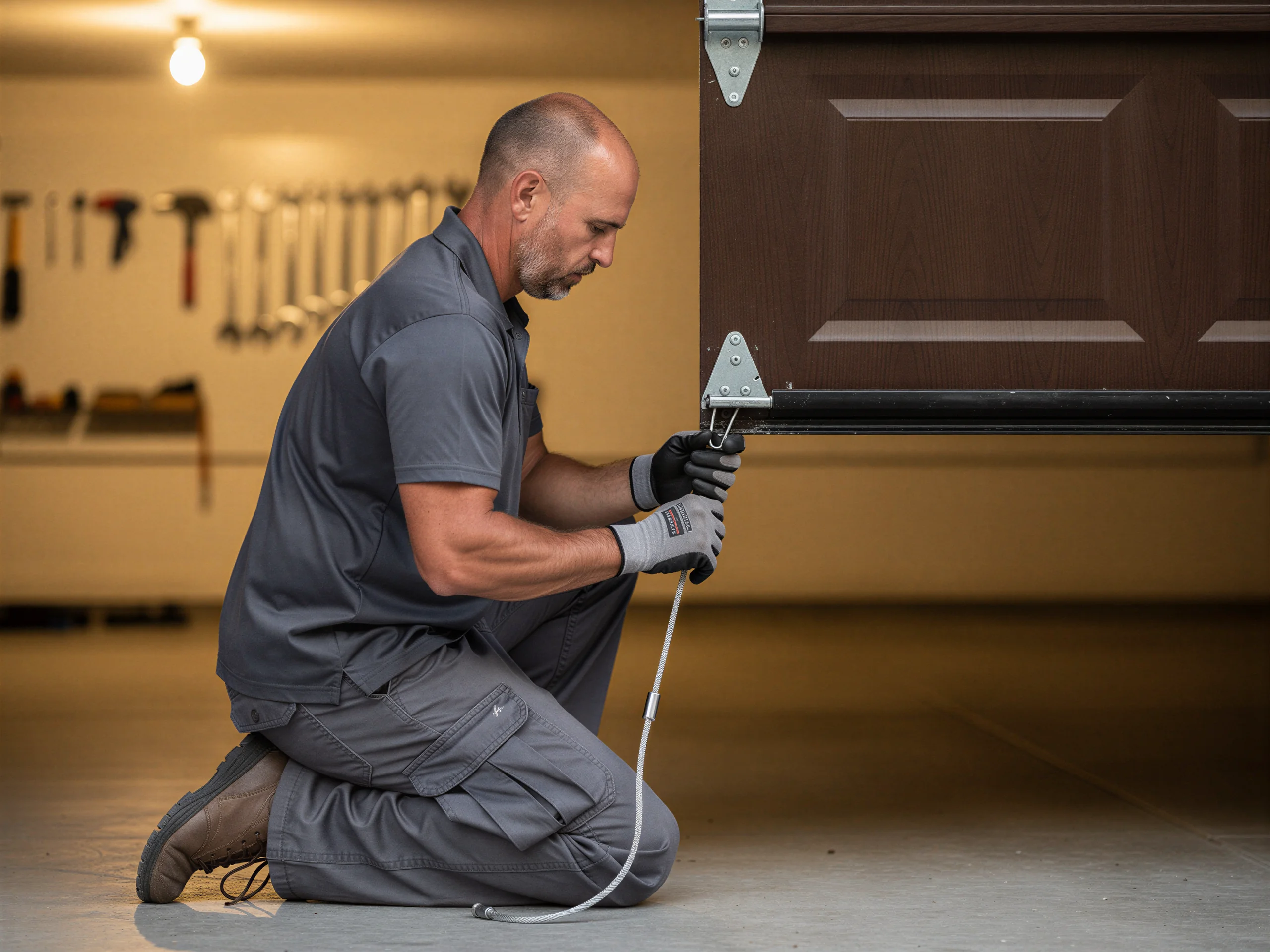
Garage Door Cable Repair for Kankakee Homes
Broken or frayed garage door cables are common on Kankakee's older housing stock. Learn more →Ready when you are
Time for a garage door tune-up in Kankakee?
Kankakee Garage Door Pros repairs and installs garage doors, springs and openers in Kankakee, IL and the surrounding area.