
Kankakee, IL
Garage Door Service for Kankakee's Older Torsion Hardware
Kankakee homes built mostly between 1960 and 1979 run original torsion hardware through severe cold winters. We fix the springs and openers that fail because of it.
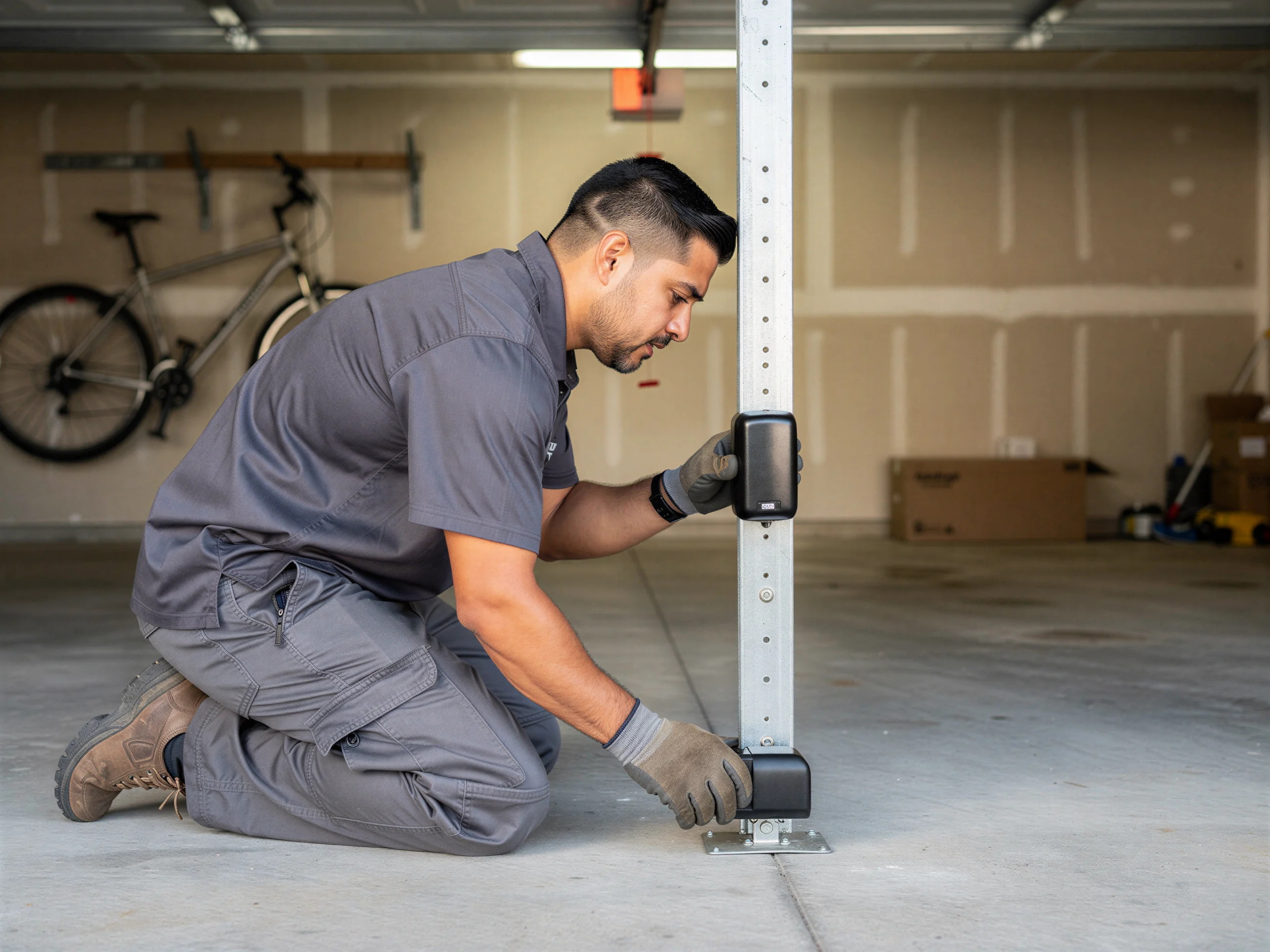
The Complications
Most of the houses we get called to in Kankakee went up somewhere between 1938 and 1993, with the median build year landing around 1969.
Older door standards
That one number explains a lot of the service calls we run. A door and torsion spring system installed in the 1960s or 70s was built to a different standard than what goes in today, and thirteen named areas across the service territory share that same stock.
Narrow track and framing
The springs are undersized by today's wire-gauge math, the track is often the narrow style nobody stocks on the truck anymore, and the opener - if it's even been replaced once - is bolted to framing that was never meant to carry a chain-drive unit's weight over time. On top of the age problem, the area sits in a cold-severe climate band.
Cold steel failures
That combination - old steel, decades of cycling, and real winter cold - is what brings the door down, not bad luck. A spring that was fine in July seizes up or snaps outright in January because cold steel loses flex right when the lift load from a frozen slab or ice-packed track goes up. We see it every year, usually on the coldest stretch, usually on a door that's thirty-plus years old.
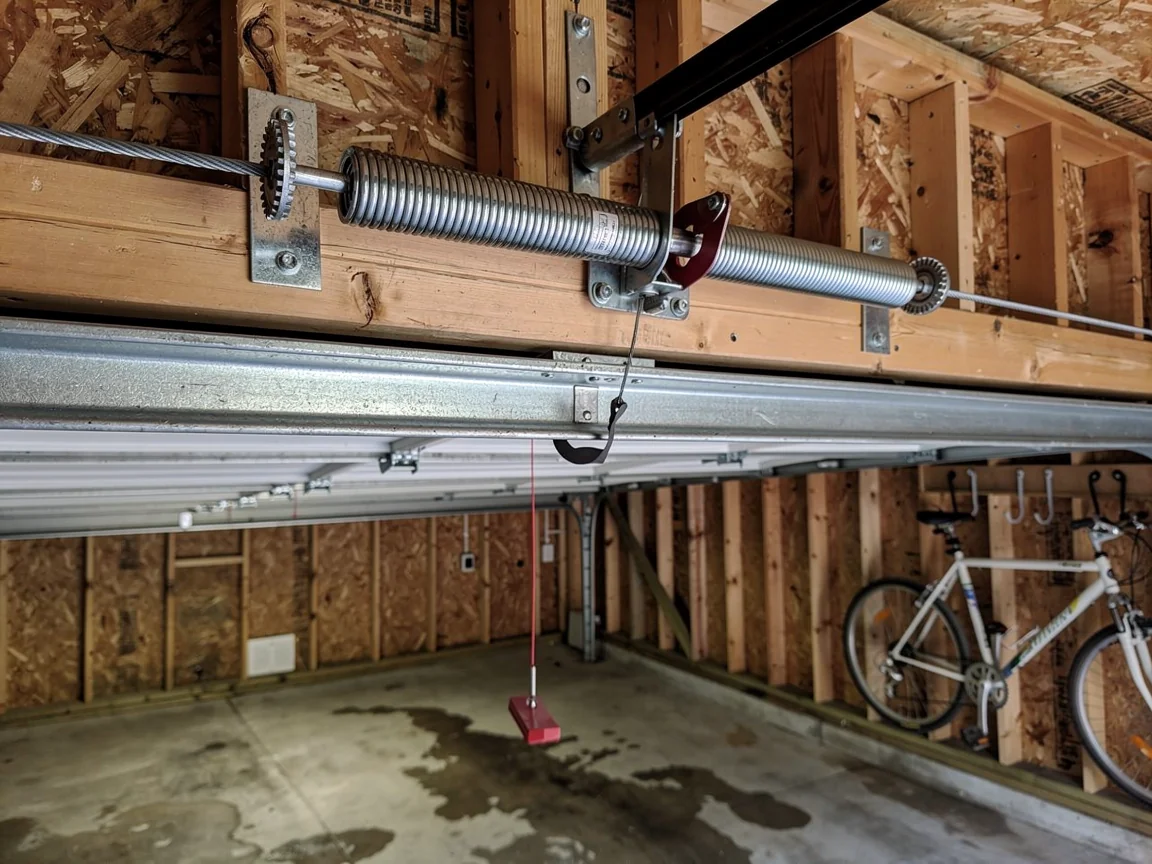
What You Are Seeing
The door won't lift all the way, or it lifts a few inches and the opener strains and reverses. Sometimes there's a loud bang from the garage - that's a torsion spring letting go, and on a door this age it's almost always the original spring, never replaced, finally past its cycle life. Other owners notice the door is heavy to lift by hand, crooked in the opening, or one side drops faster than the other when the cable on that side has started to fray.
On colder mornings you might hear the opener motor labor and stall before the door even clears the floor. That's not usually the opener's fault - it's the spring doing less work than it's supposed to because the steel has lost tension or snapped a coil. If your house falls into that 1960s-70s band that covers most of this area, this is the single most common call we get between December and February.
What the Fix Involves
We match torsion spring wire size, length, and wind to the actual door weight and track style, not to whatever was already in there before it broke, which on a house this old is sometimes too light for the door it's lifting.
Center bearing and shaft
For two-car doors with a single center bearing, we check whether the shaft and bearing plate are original 1960s-era parts, because those sometimes need to come out with the spring rather than be reused. We also look at the cable, drum, and end bearing plates while the door is unloaded, since it's the one time those parts are easy to inspect.
Lift force after spring swap
If the opener is straining because of the bad spring, replacing the spring alone usually brings the lift force back to where the opener was designed to work, and we don't push an opener swap unless the motor itself is actually failing.
Rotted jamb or header
One limitation worth saying plainly: if the jamb or header is rotted or the track is bent beyond straightening, that's carpentry or a full door replacement, not a spring job, and we'll tell you that before we quote the smaller fix.
Why This Fails Locally
This isn't a generic garage door problem - it's what happens when a cold-severe climate meets a housing stock built mostly before 1980. A door manufactured for median-income households in the $72,250 range, across roughly 21,932 households and 11,490 owner-occupied houses in this service area, was built to the cost and code standards of its decade, not ours. Towns within a few miles - Aroma Park, Bradley, Bourbonnais, Limestone - share the same housing era and the same winters, so the pattern repeats block to block rather than being a one-house fluke.
When a spring sized for 1969 lift standards meets a January cold snap, it doesn't bend - it breaks. That's the local failure mode, and it's why a quick online fix video or a universal spring from a big-box shelf often doesn't hold past the next hard freeze.
Questions
Common questions
Why do garage door springs break more in winter here?
Cold steel loses flex, and right when the spring needs the most give - lifting a door against a frozen slab or icy track - it has the least. Combine that with springs that are decades old in houses built mostly in the 1960s and 70s, and winter is when they finally let go.
Is it normal for a 1960s or 70s house to still have the original spring?
It's common, and it's usually the problem. Torsion springs have a cycle life, and a spring installed when the house was built has almost certainly outlived its rated cycles by now, especially with decades of cold-severe winters working against the steel.
Can I just replace the spring and leave the opener alone?
Usually yes. If the opener motor itself is sound, matching the spring to the door's actual weight restores normal lift force and the opener goes back to doing its job without straining. We only recommend an opener swap when the motor itself shows separate wear.
Explore more
Explore More Services In Kankakee, IL
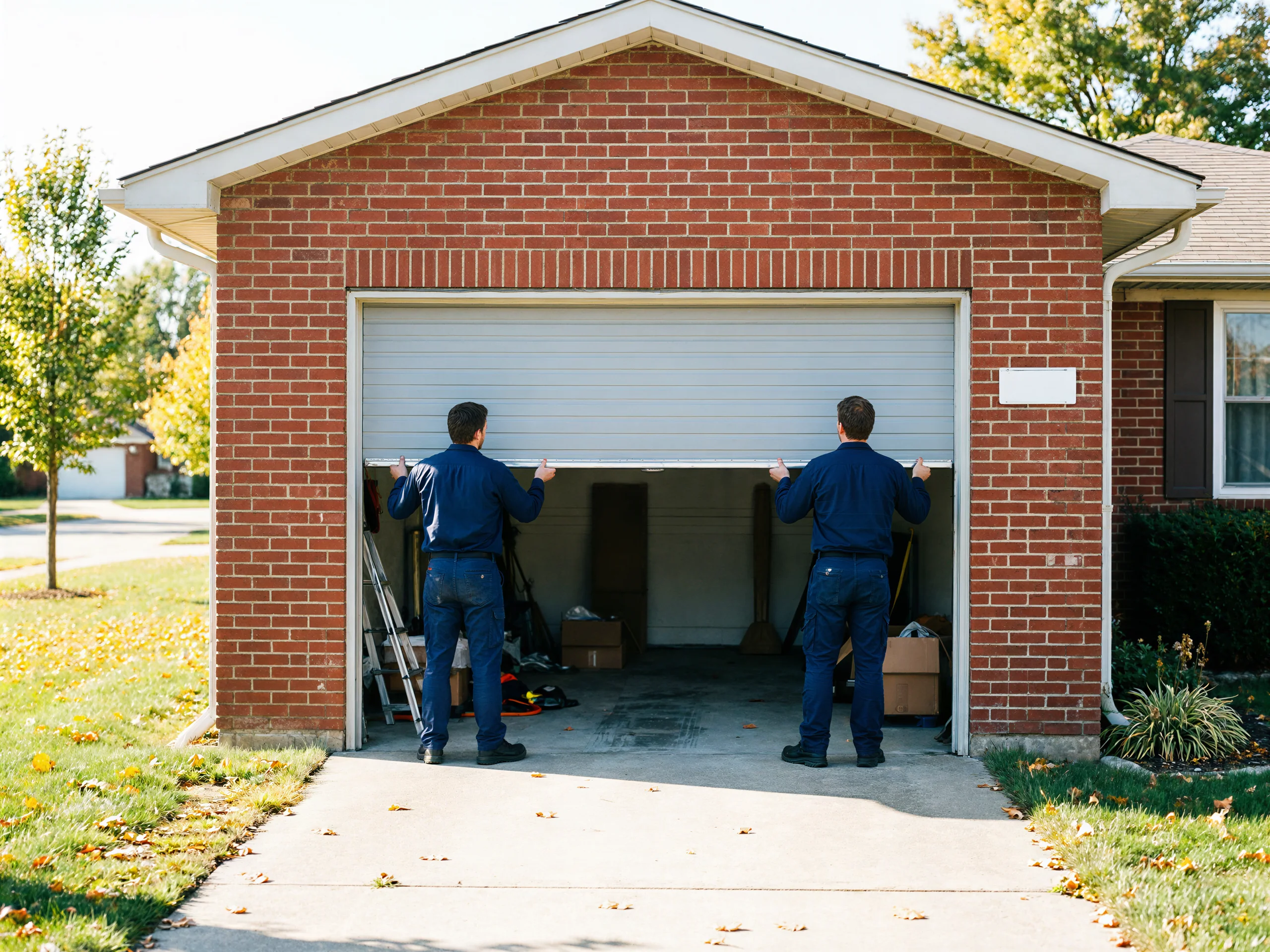
Garage Door Installation Built for Kankakee's Older Openings
New garage door installation for Kankakee homes built 1938-1993, sized for original openings and rated for severe cold winters. Learn more →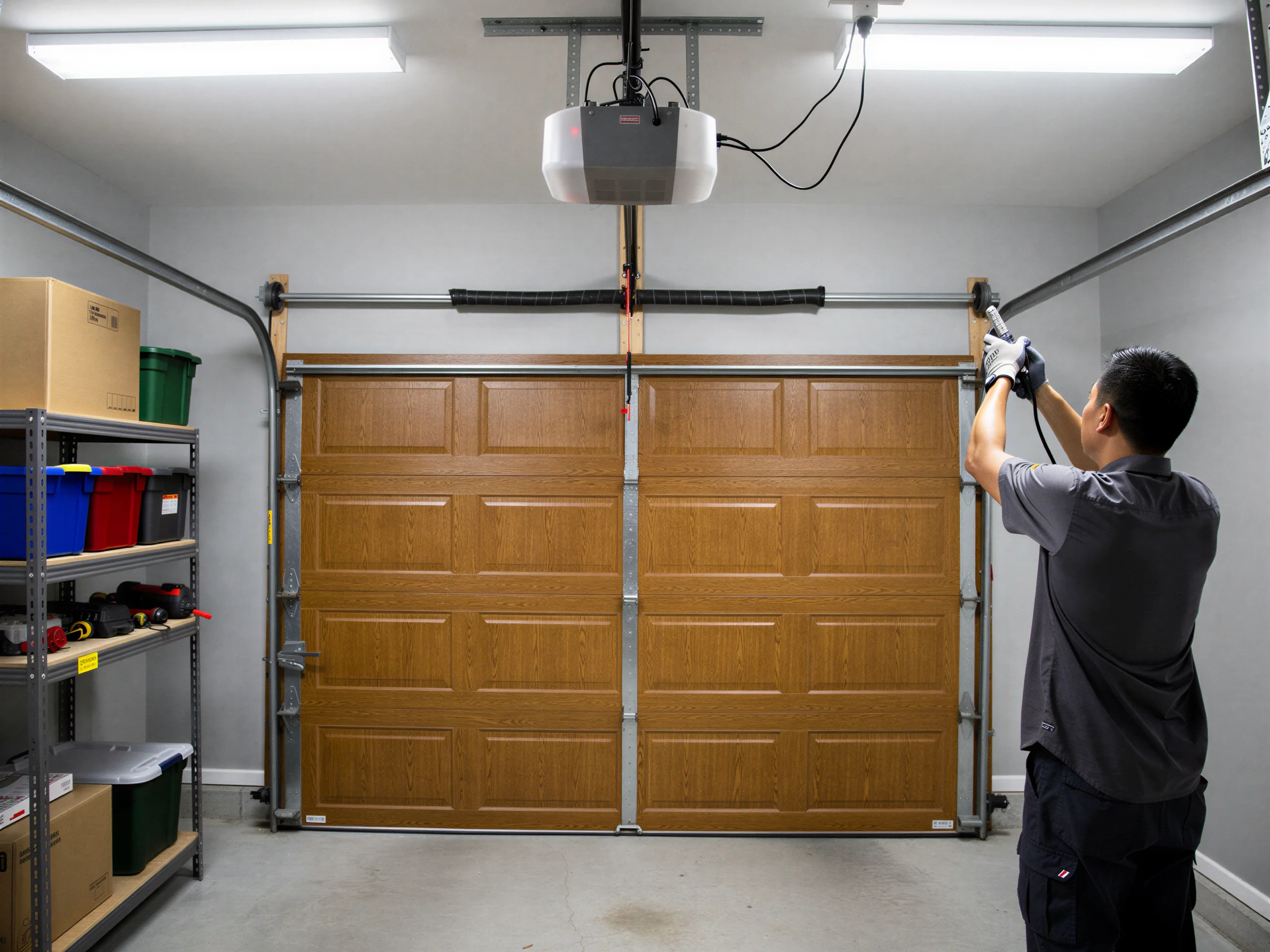
Garage Door Opener Installation for Kankakee Homes
Kankakee's housing stock runs 1938 to 1993, and most original openers weren't built for this cold. Learn more →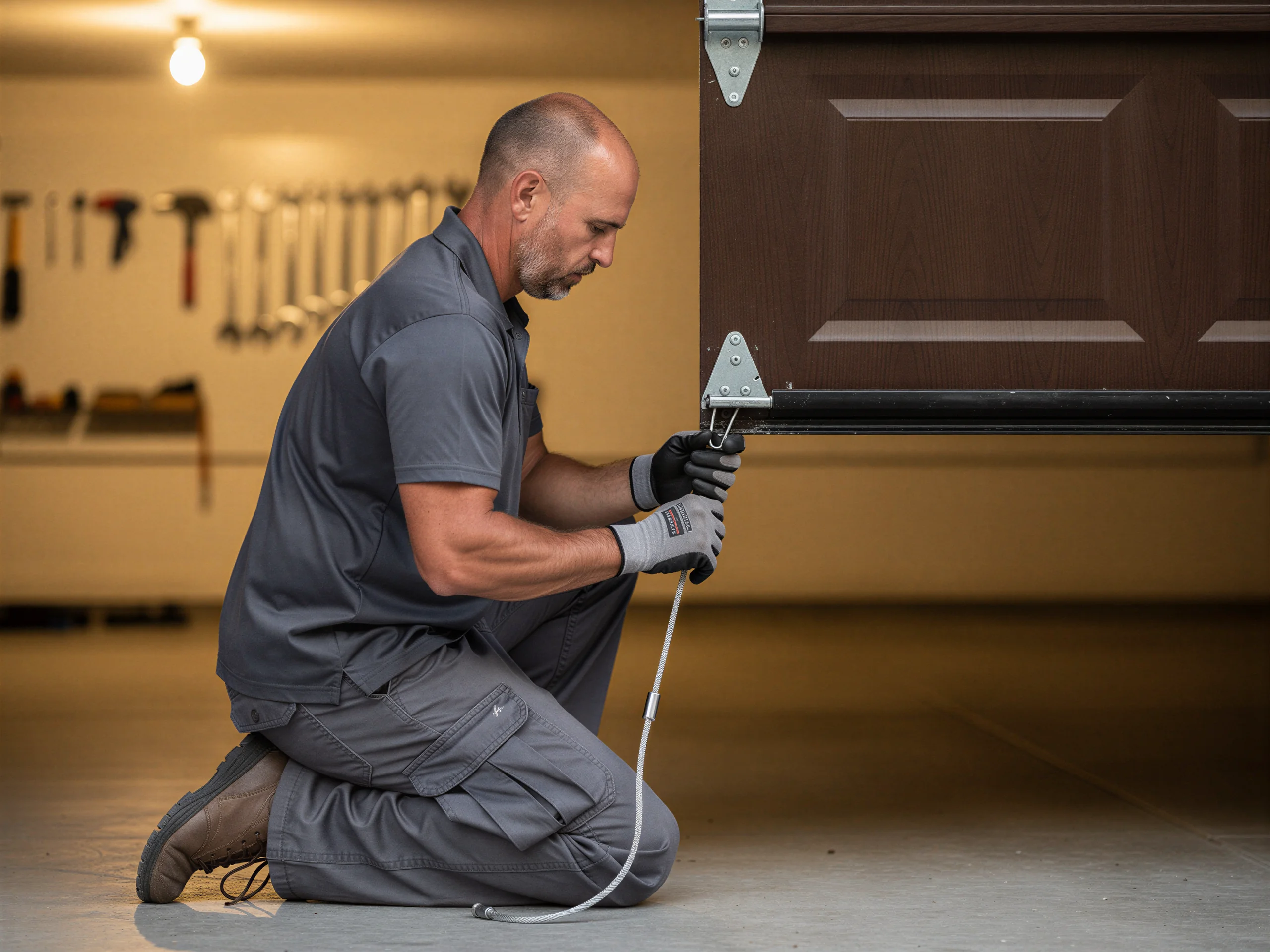
Garage Door Cable Repair for Kankakee Homes
Broken or frayed garage door cables are common on Kankakee's older housing stock. Learn more →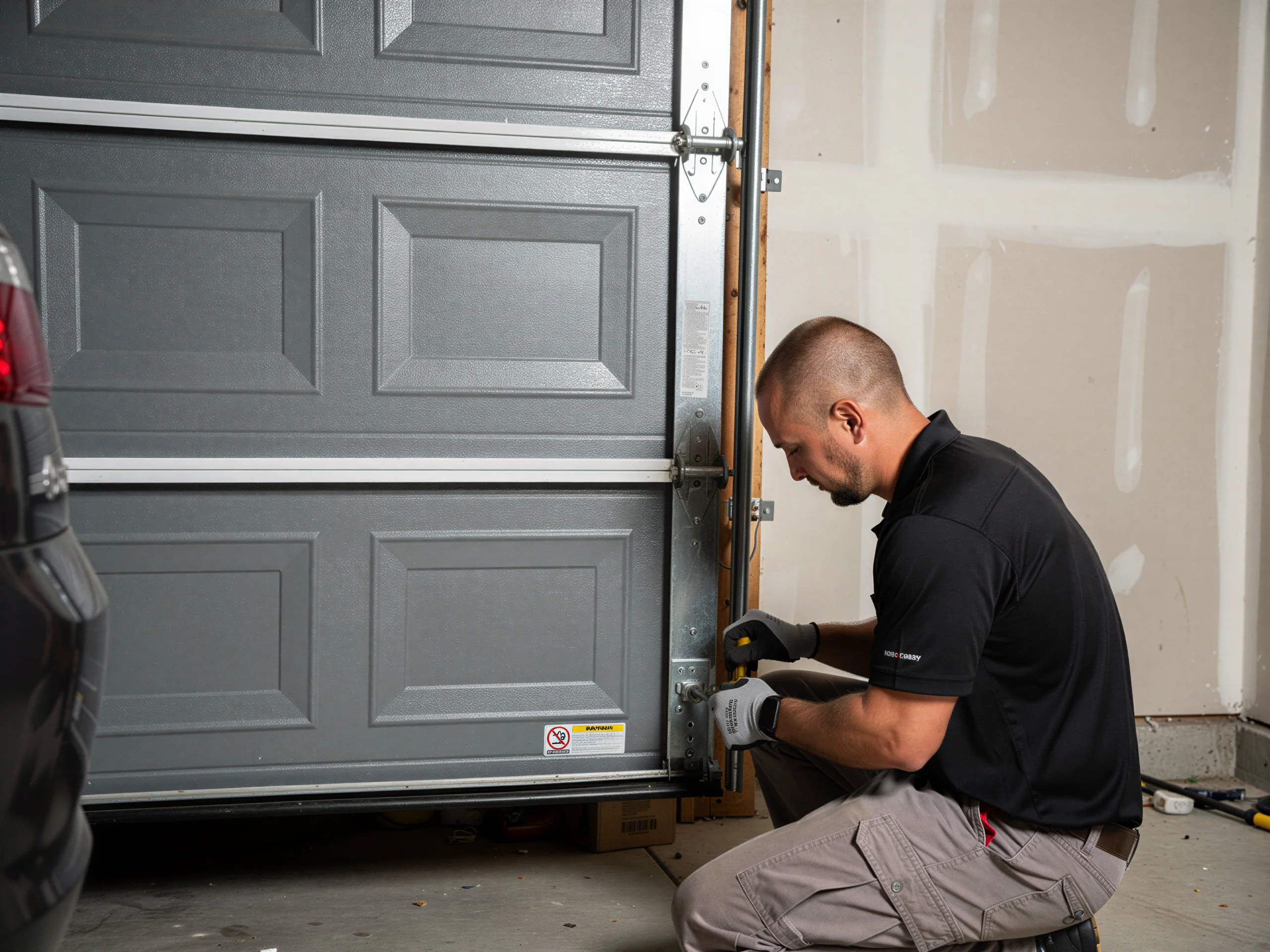
Kankakee Garage Door Repair: Fixing 1960s-Era Springs and Tracks
Kankakee's housing mostly dates to 1969, and cold-climate steel fatigue hits torsion springs and tracks hard. Learn more →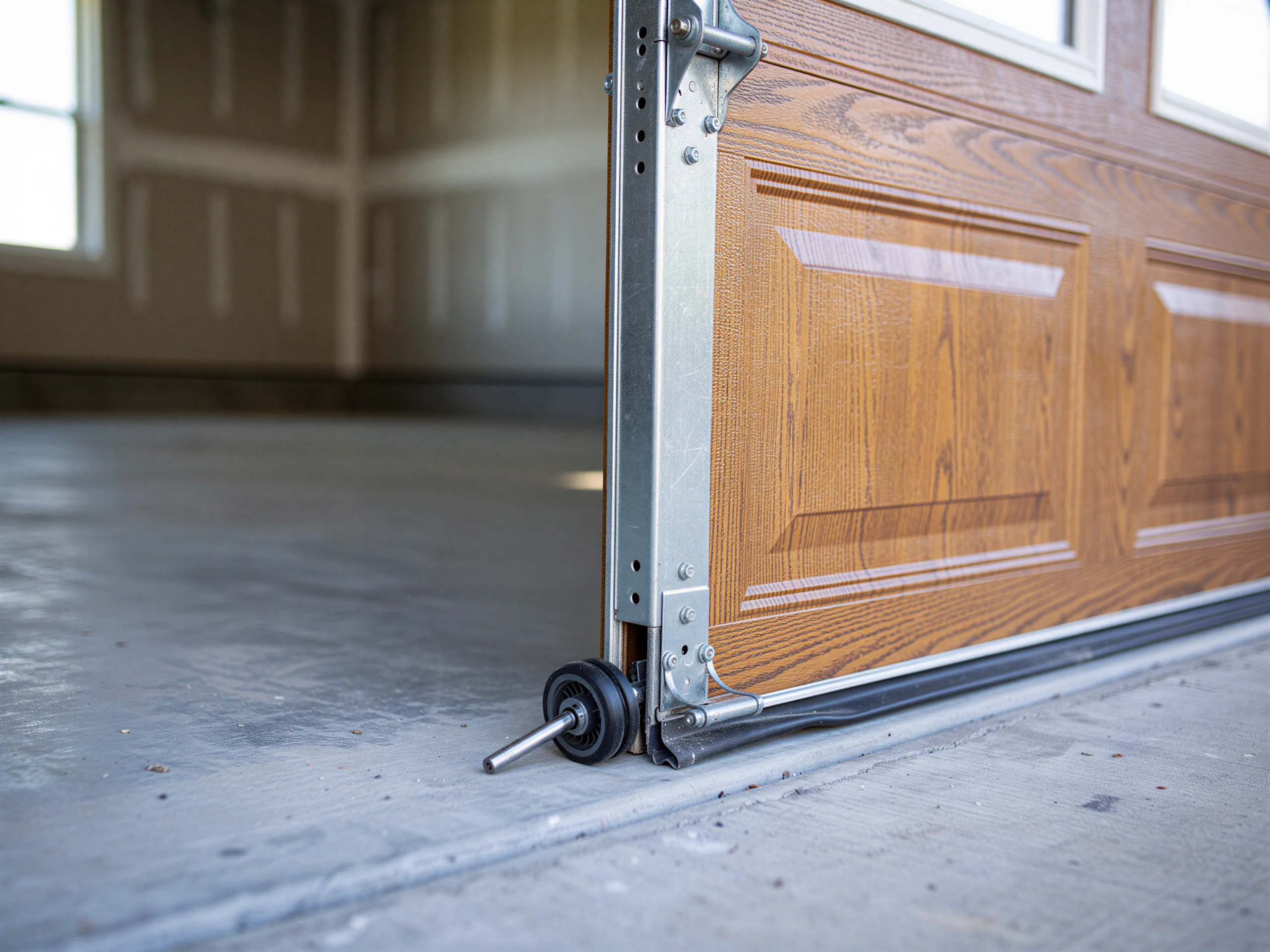
Garage Door Off Track: What's Really Going On in Kankakee
Garage door off track in Kankakee? Learn more →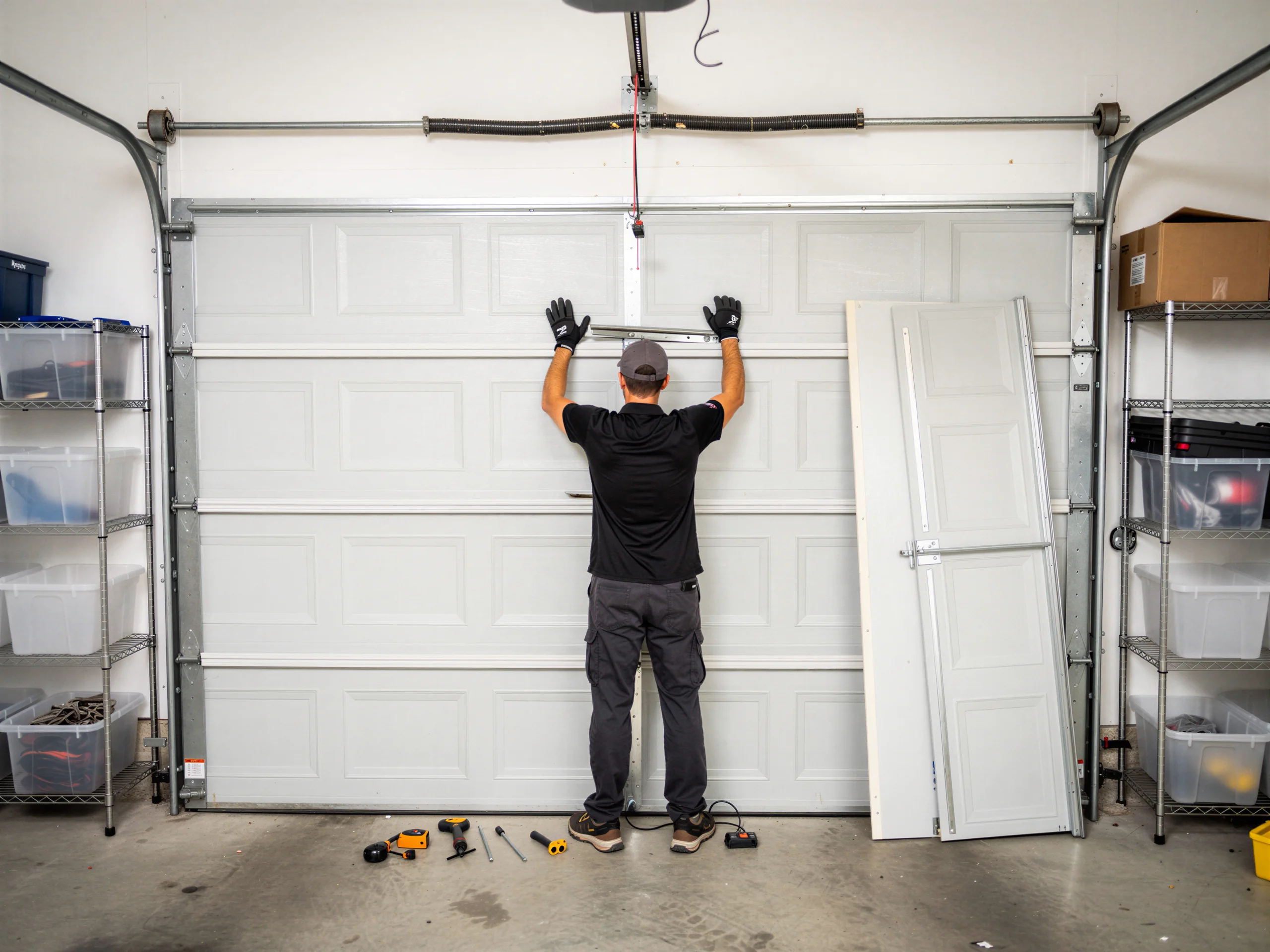
Panel Replacement for Kankakee's Older Garage Doors
Dented or cracked panels on Kankakee-area garage doors, most built 1938-1993. Learn more →Ready when you are
Need garage door service in Kankakee?
Kankakee Garage Door Pros repairs and installs garage doors, springs and openers in Kankakee, IL and the surrounding area.