
Kankakee, IL
Panel Replacement for Kankakee's Older Garage Doors
Dented or cracked panels on Kankakee-area garage doors, most built 1938-1993. We match panels to older steel and aluminum doors and explain when a full door beats a patch.
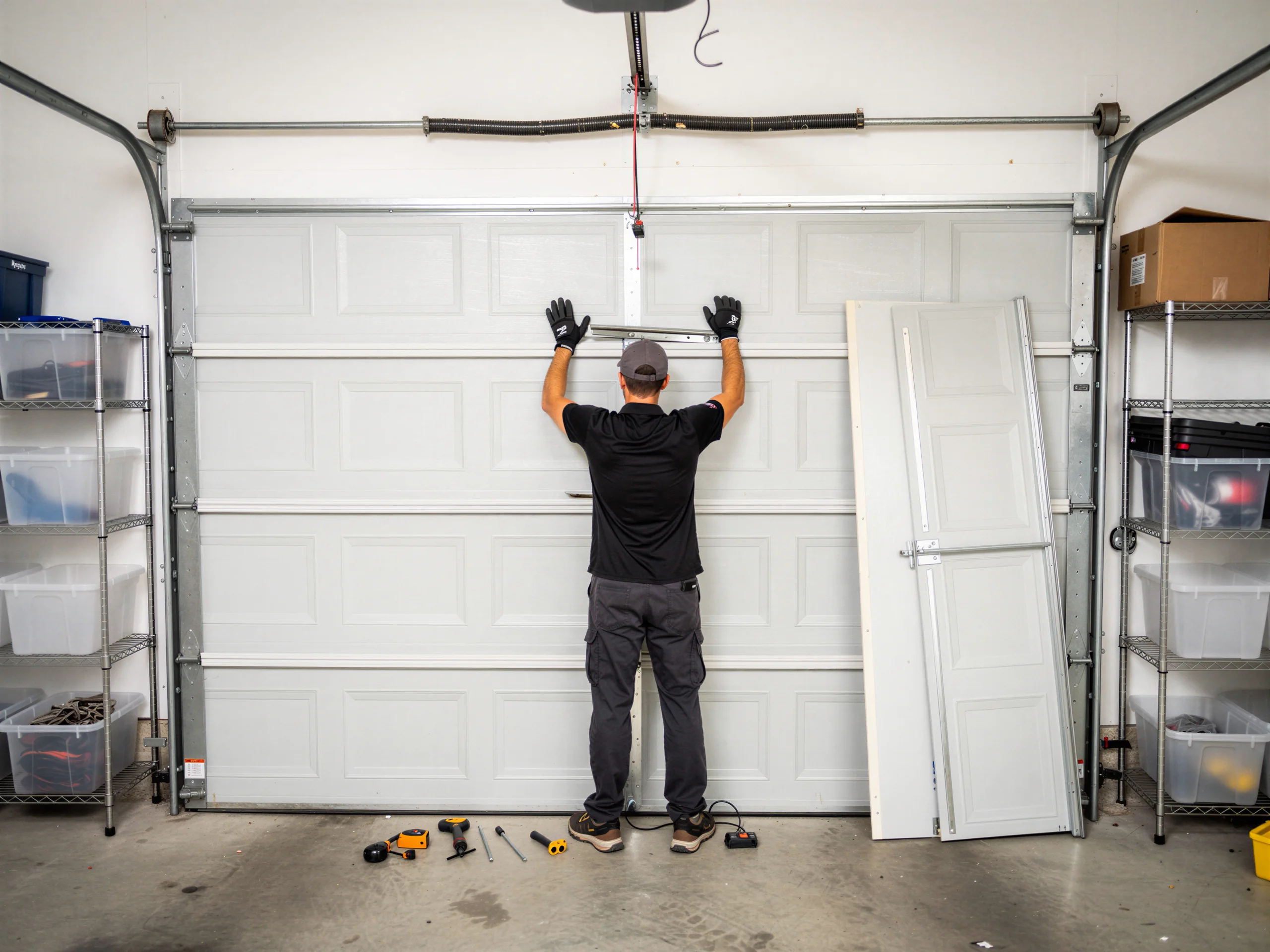
The Complications
Most of the housing stock across this service area went up between 1938 and 1993, with a heavy concentration in the 1960s and 70s across the thirteen named areas we cover.
Nonstandard panel profiles
That means a lot of doors out there are steel sectional units from a run of years when panel profiles, hinge spacing, and seam widths weren't standardized the way they are now.
Hinge pattern matching
When one panel on a double-wide door gets dented by a car bumper or a thrown branch, you can't just walk into a box store and grab a match. The panel has to fit the existing hinge pattern, track width, and the panels next to it, or the whole door racks when it moves.
Finding discontinued profiles
On a lot of these older doors, the original manufacturer either doesn't make that profile anymore or sells it through channels most homeowners never see. That's the complication before any tool comes out of the truck: finding a panel that actually belongs with the rest of the door, not just one that's close.
What You Are Seeing
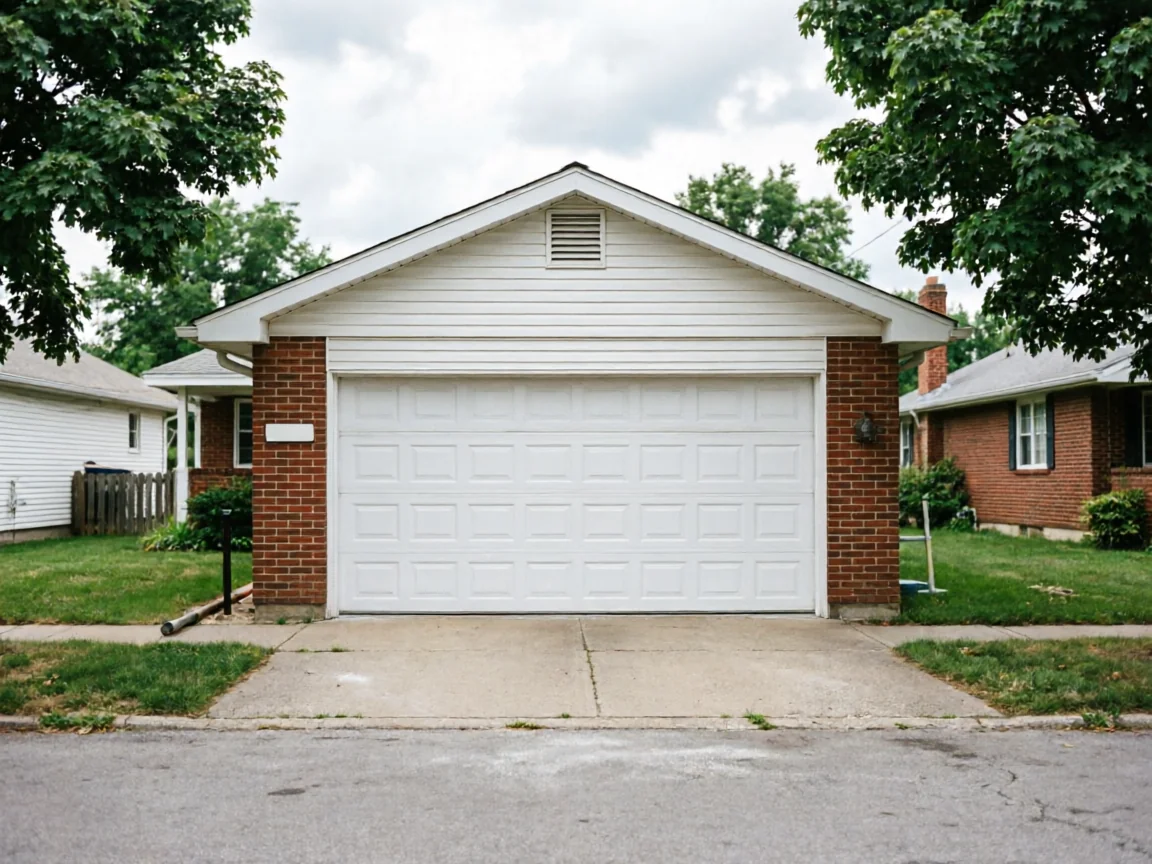
A bowed or buckled section partway up the door, usually where a vehicle or a snowblower caught it. Sometimes it's a crack running along a seam after a hard freeze-thaw cycle, which this area gets plenty of given the cold, severe winters typical here. You might notice the door binding in the track only on that one section, or daylight showing through a seam that used to be tight. On older doors from the 1960s-70s runs common in this area, the steel gauge is thinner than what's sold today, so a dent that would barely show on a new door can crease all the way through on an original panel. If the opener still forces the door through its cycle with a bent panel dragging on the track, you'll hear it before you see it - a grinding or a hard stop partway down.
What the Fix Involves
First step is matching: pulling the door's brand and model off the hinge or end stile if it's still legible, then checking whether a replacement panel exists for that profile or whether we're sourcing a close structural match and reworking the hinge line to fit.
Transferring hardware to panel
On doors old enough to predate current panel widths, that second option is more common than homeowners expect. We pull the damaged section, transfer hardware - hinges, rollers, the strut if there's one bolted to that panel - and set the new section so the door hangs square in the track.
Spring tension recheck
Then we check spring tension again, because swapping panel weight even slightly changes the balance point on an older torsion setup. One limitation worth saying plainly: if the door is old enough that no match exists and the structural rework would cost close to a full replacement anyway, we'll tell you that instead of billing for a patch that won't hold through a winter.
Why This Fails Locally
A panel patch on a door built to late-60s or 70s specs has to survive the same cold-severe winters that are cracking it in the first place. Steel contracts in deep cold, and a seam that's already stressed from an impact will open wider on the next hard freeze if the replacement panel isn't seated and sealed the way the original line was. Because so much of the housing in this service area - from Aroma Park and Bradley out through Bourbonnais, Momence, and the rest of the thirteen areas we work - shares that same building era, this isn't a rare repair call. It's a predictable one tied to the age of the stock itself, not bad luck. A panel swap done without checking hinge alignment and spring balance on these older doors tends to fail again within a season, usually at the same seam.
Questions
Common questions
Can you match a panel on a door from the 1960s or 70s?
Often yes, though it depends on the brand and whether that profile is still produced. On a lot of the older doors common across this service area, we end up sourcing a structural match and reworking the hinge line rather than finding an exact factory panel. We'll tell you upfront which situation you're in before any work starts.
Is it cheaper to replace one panel or the whole door?
Depends on the door's age and how many panels show wear beyond the damaged one. If the door dates to the older end of the 1938-1993 range common here, a single-panel fix can end up costing close to what a new door would, once hardware rework is factored in. We check that before recommending either path.
Why did my panel crack instead of just dent?
Thinner steel gauges common on older doors, combined with cold-severe winter temperature swings, make existing dents and stress points more likely to crack along a seam rather than just bow. A panel that dented fine in summer can split in January under the same stress.
Explore more
Explore More Services In Kankakee, IL
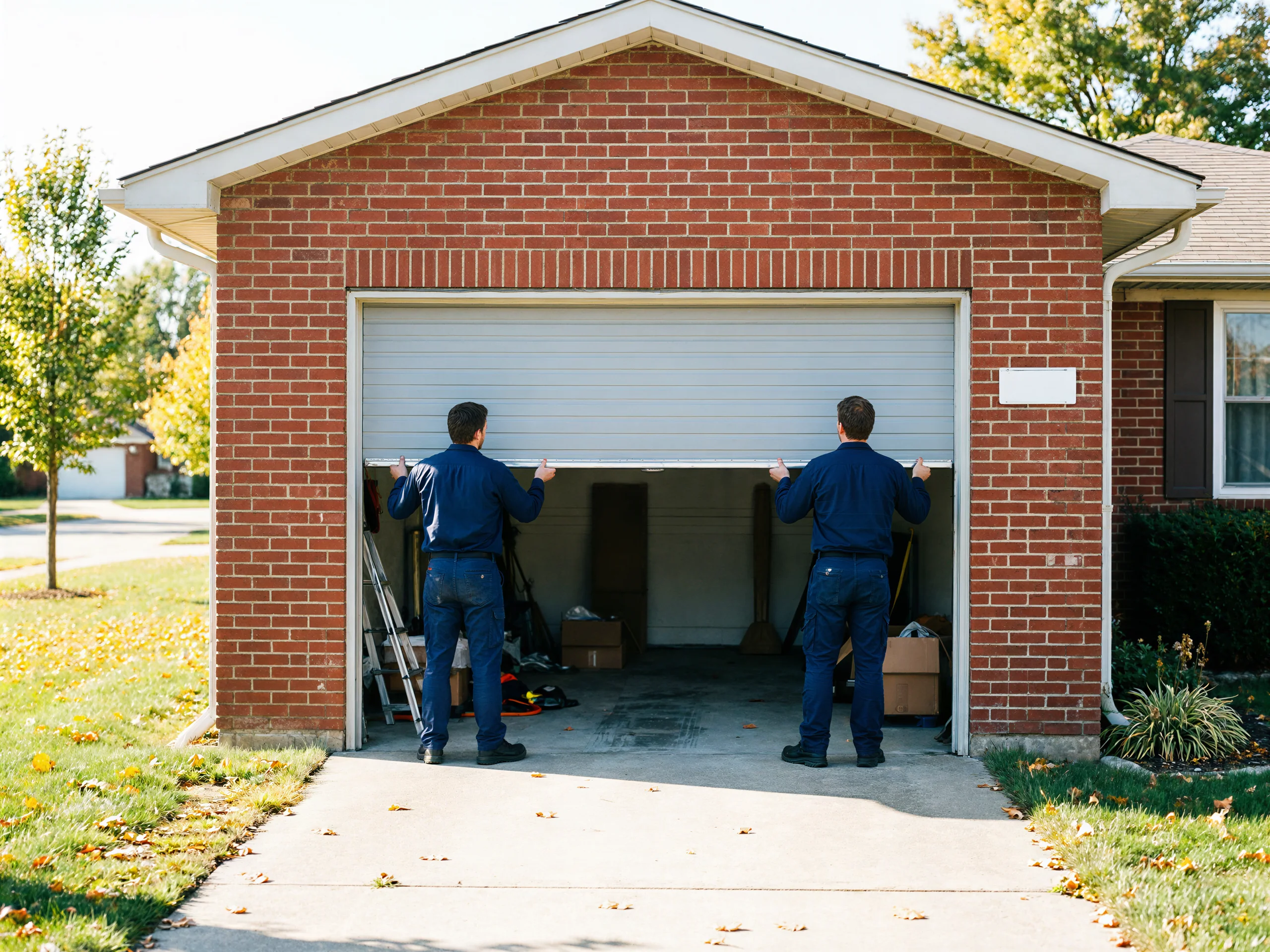
Garage Door Installation Built for Kankakee's Older Openings
New garage door installation for Kankakee homes built 1938-1993, sized for original openings and rated for severe cold winters. Learn more →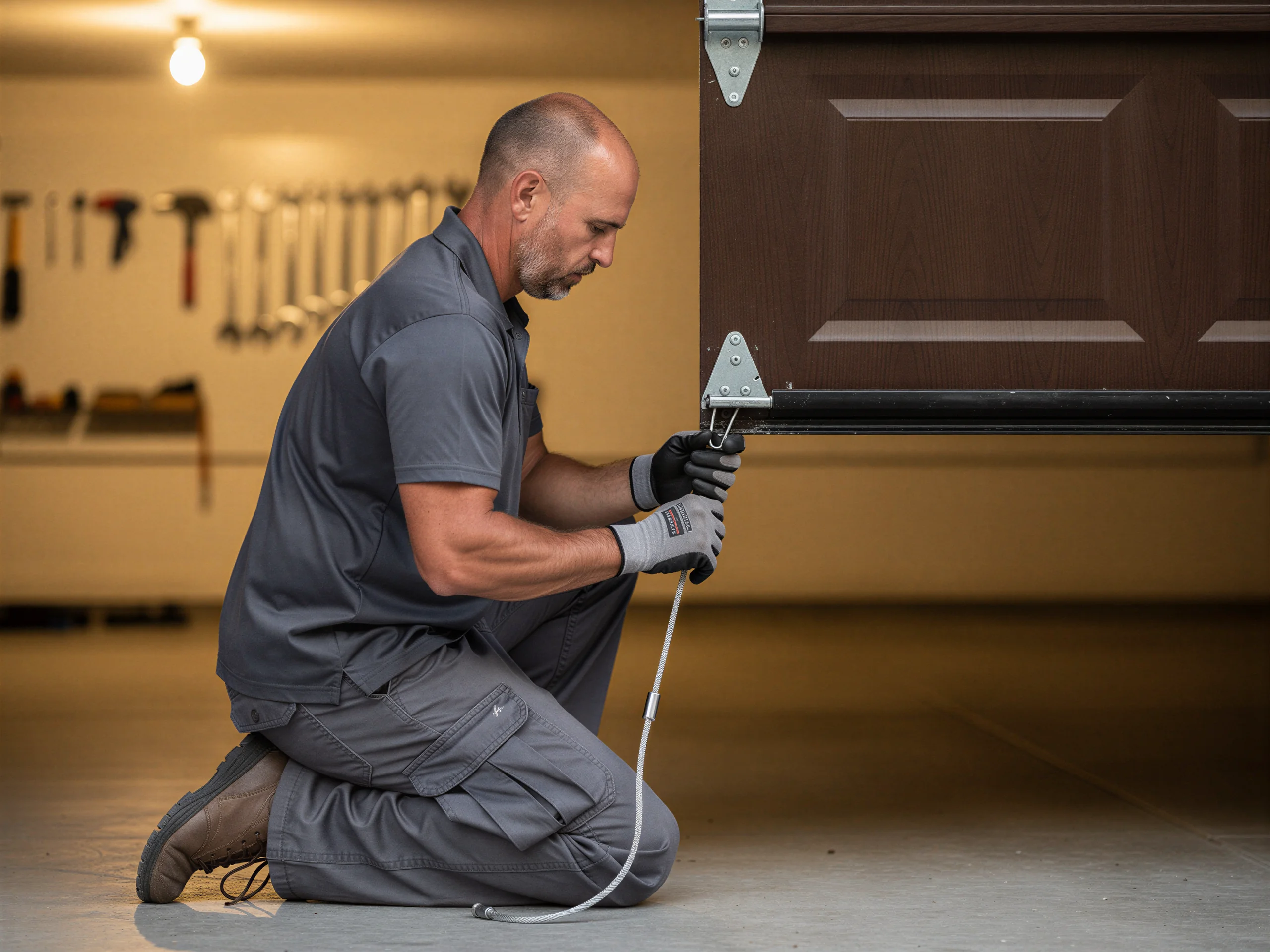
Garage Door Cable Repair for Kankakee Homes
Broken or frayed garage door cables are common on Kankakee's older housing stock. Learn more →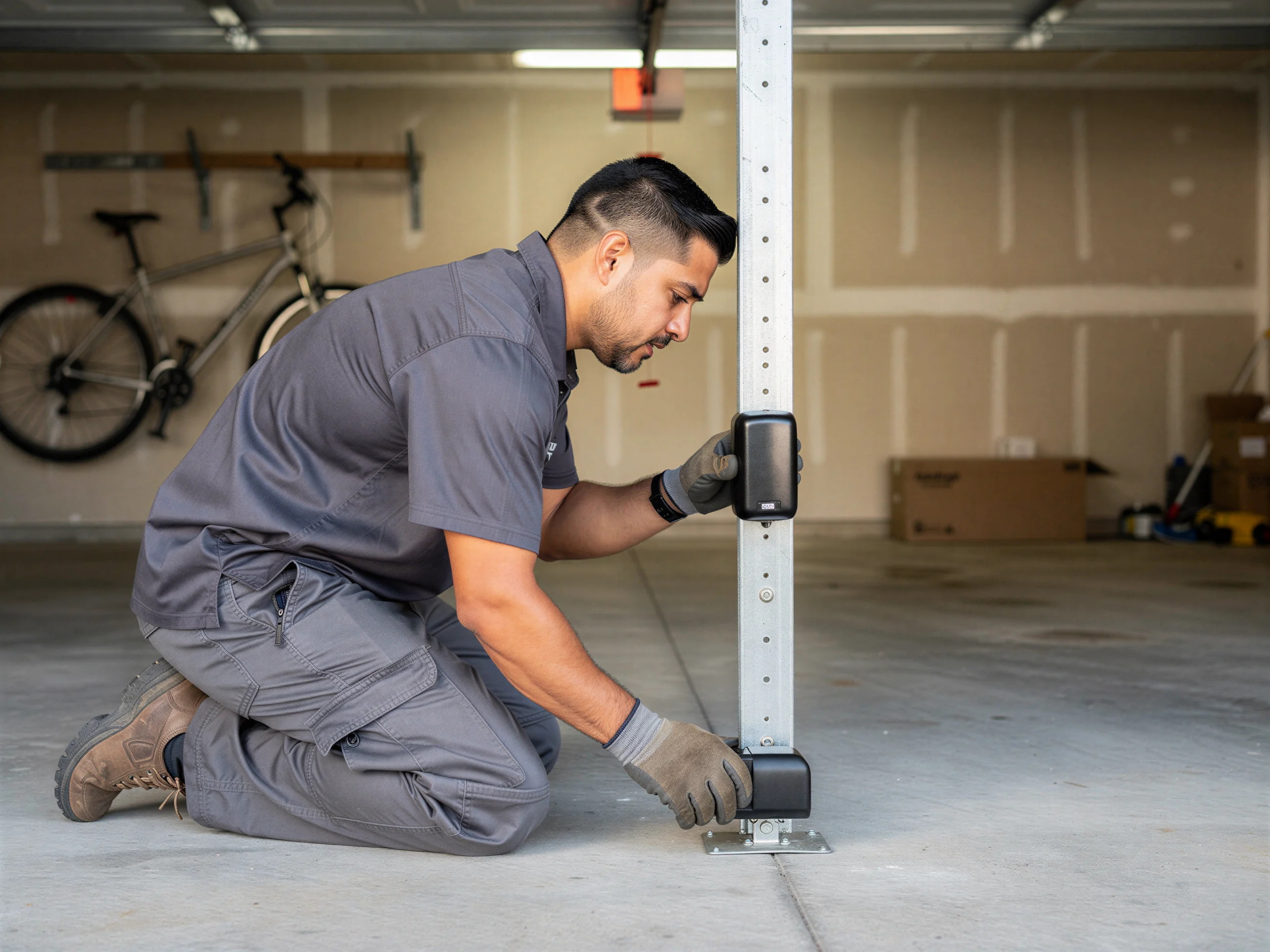
Garage Door Service for Kankakee's Older Torsion Hardware
Kankakee homes built mostly between 1960 and 1979 run original torsion hardware through severe cold winters. Learn more →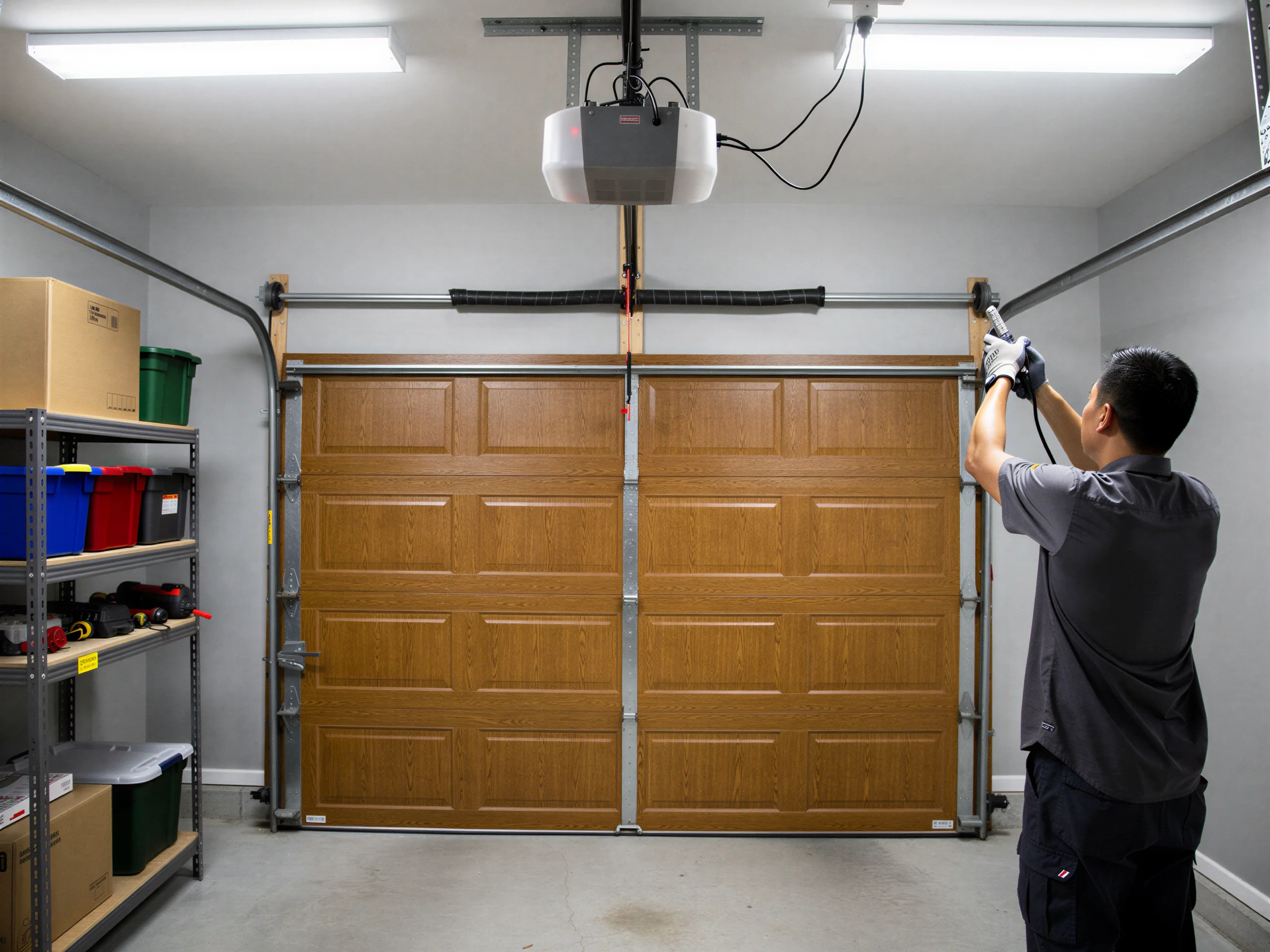
Garage Door Opener Installation for Kankakee Homes
Kankakee's housing stock runs 1938 to 1993, and most original openers weren't built for this cold. Learn more →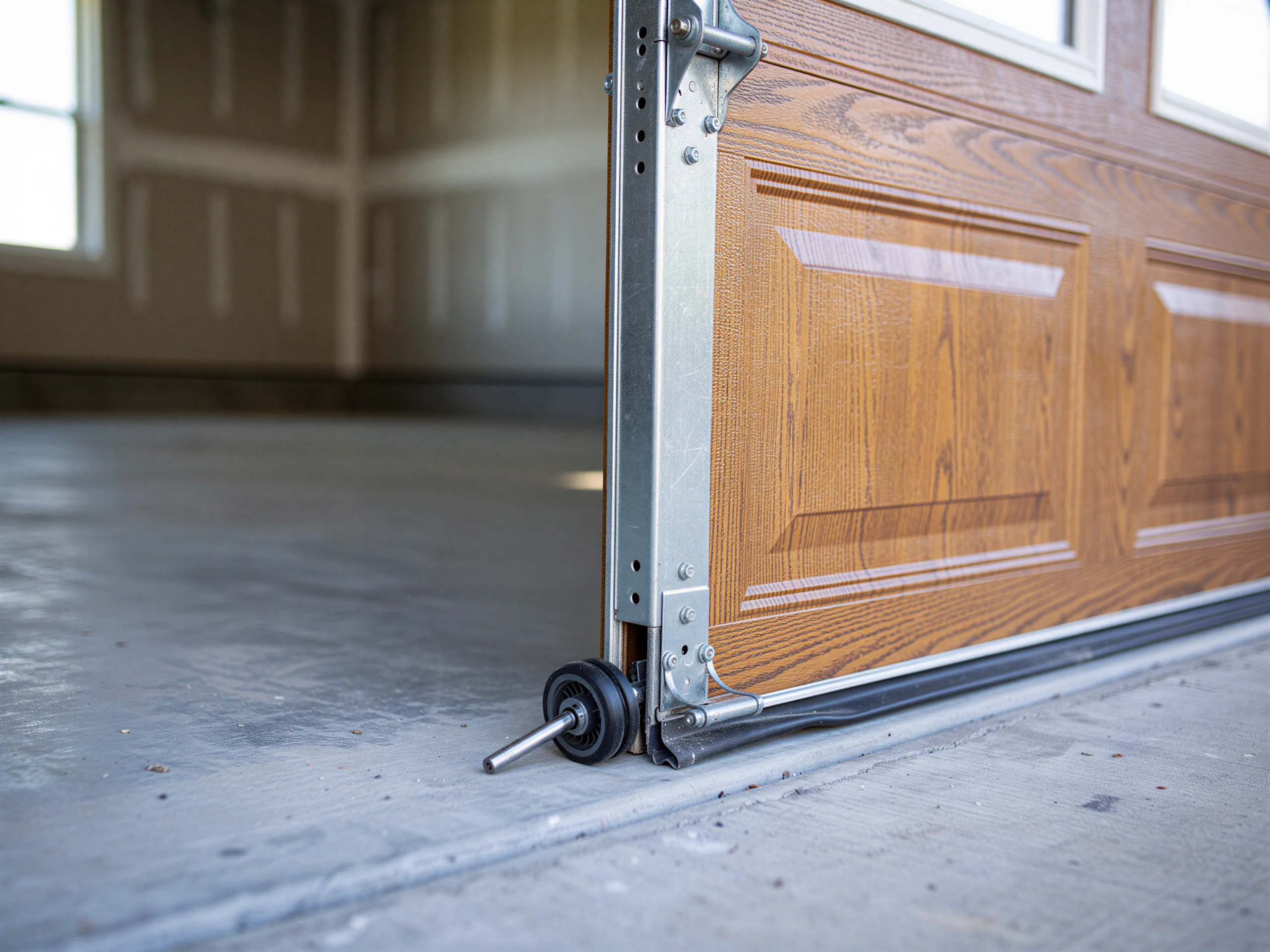
Garage Door Off Track: What's Really Going On in Kankakee
Garage door off track in Kankakee? Learn more →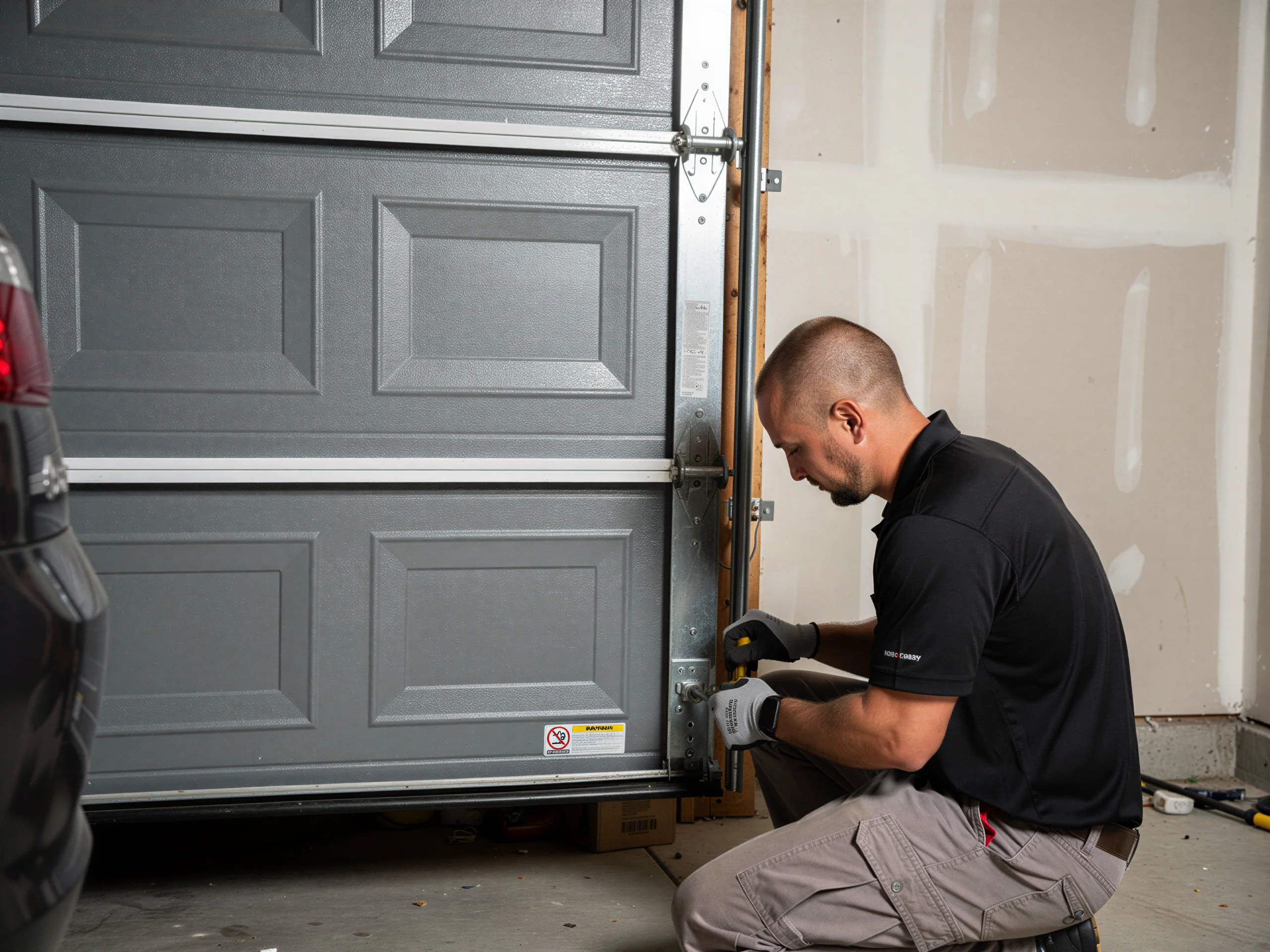
Kankakee Garage Door Repair: Fixing 1960s-Era Springs and Tracks
Kankakee's housing mostly dates to 1969, and cold-climate steel fatigue hits torsion springs and tracks hard. Learn more →Ready when you are
Cracked or dented door panel in Kankakee?
Kankakee Garage Door Pros repairs and installs garage doors, springs and openers in Kankakee, IL and the surrounding area.