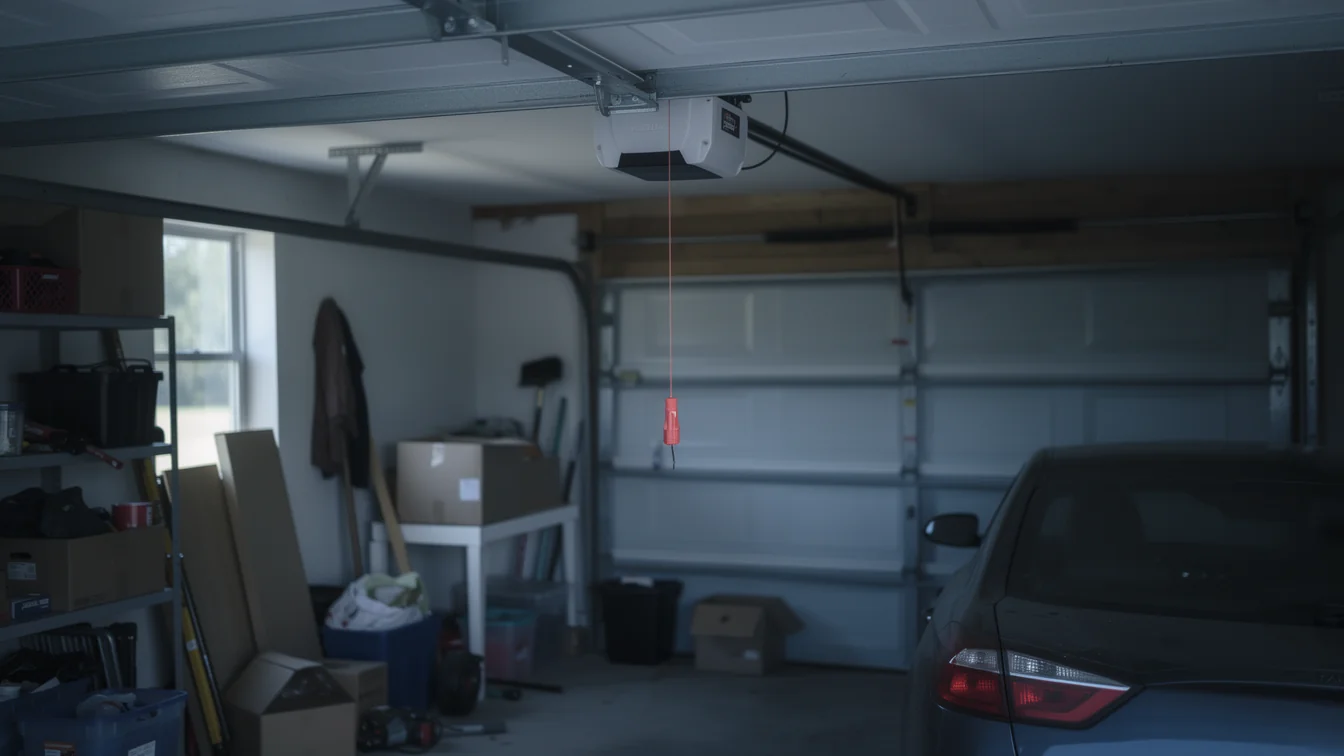
 What Actually Happens to Your Opener When the Power Goes Out
A Kankakee, IL look at why garage openers fail during power cuts, how 1960s-70s housing stock and cold-severe winters factor in, and when it's a call, not a DIY fix.
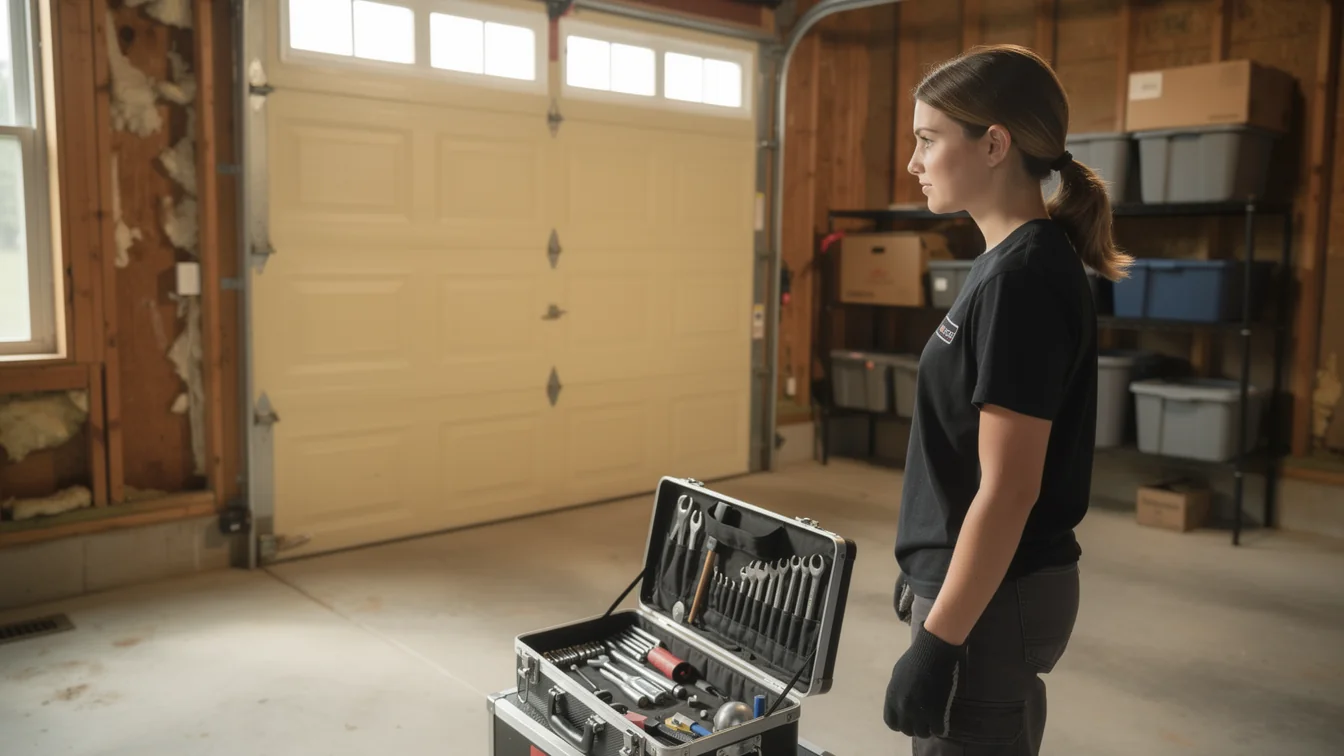
What We Actually Check When We Come Out
A straight look at what's included when you book a garage door service call in Kankakee, from spring checks to the 1960s-70s hardware common across the area.
Local detail
When Waiting Is Fine
Not every noise means a truck needs to show up. A door that groans once in cold weather and then runs quiet is usually fine until your next scheduled look. Same with a slightly uneven garage floor causing a track to look off by an eighth of an inch - that's cosmetic, not structural, on most of the builds we see here.
Kankakee's housing stock runs old - median year built is 1969, with most of it going up between 1938 and 1993. A lot of these doors have been serviced more than once already, so a little stiffness in cold months on original hardware isn't an emergency, it's just age. If the door opens and closes on command and the cable isn't visibly frayed, you can wait for a slow season.
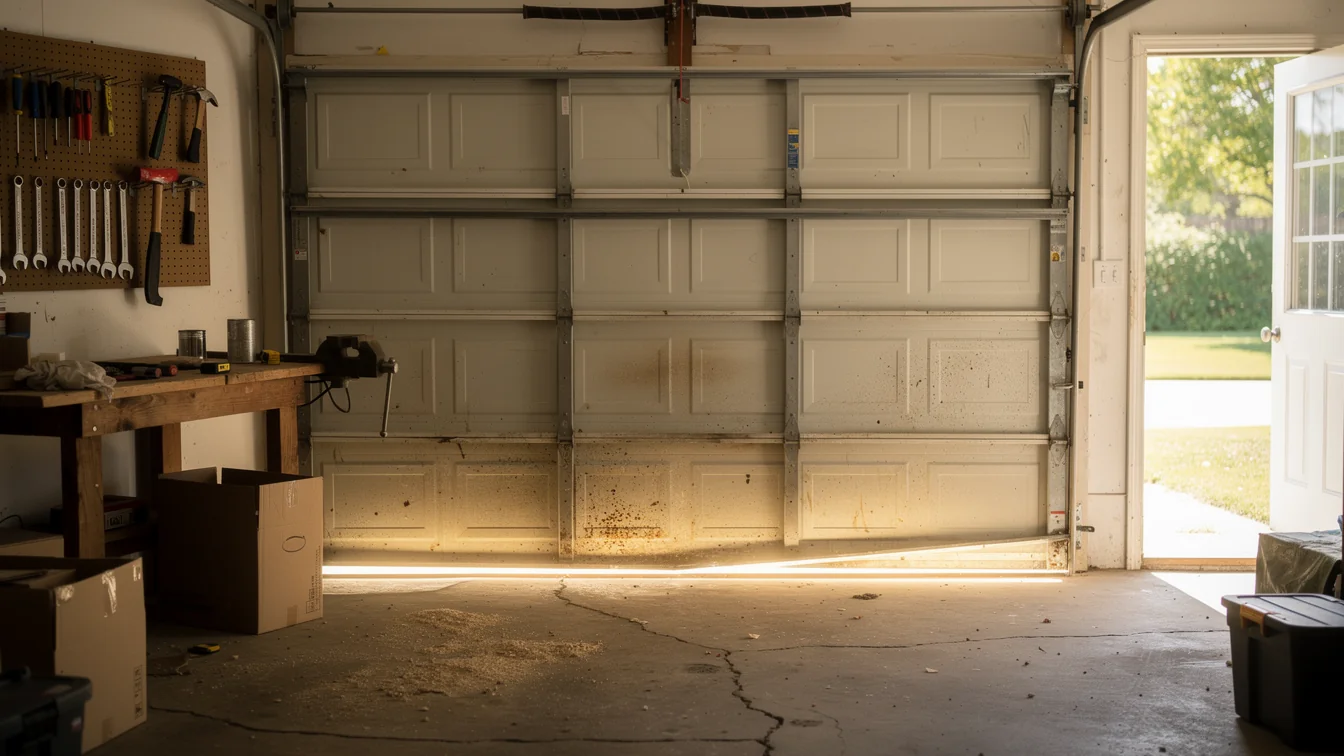
What you shouldn't wait on: a spring that's visibly stretched or gapped, a door that drops instead of lowering smooth, or an opener that reverses for no reason. Those get worse, not better, and they get worse faster once temperatures drop. If you're unsure which category you're in, that's a reasonable thing to ask about on the phone before you book anything.
The area
What Is Going On
Most calls in this area trace back to the same handful of things, because most of the housing came from the same handful of decades. Across the 13 named areas we work in, the dominant stock is 1960s-70s construction, which means torsion springs and track hardware that were standard for that era - not the lighter consumer-grade stuff that shows up in newer builds.
That hardware was built to last, but it wasn't built to last forever, and a lot of it is now 50-plus years old and has never been swapped, only adjusted. So when we open a service ticket, we're usually looking at one of three things: a spring that's reached the end of its cycle count, a roller or bearing that's worn from decades of use, or an opener that's been retrofitted onto original track and is fighting geometry it wasn't designed for.
We won't guess at a cause over the phone. A service call means someone puts hands on the door, runs it through a full cycle, and checks spring tension, cable condition, track alignment, and opener force settings before saying what's actually wrong. That's the part that gets skipped if you just want someone to grease a hinge and leave.
What we find
When It Stops Being a DIY Job
Torsion springs are the line. They're under enough tension to cause real injury, and on the older torsion setups common in this area's 1960s-70s housing, the hardware holding them isn't always to current spec - sometimes it's been reinforced once already, sometimes it hasn't. We don't recommend touching that yourself, and we'll say so plainly rather than walk you through it.
Cable work is the same story. If a cable has frayed strands or has come off the drum, that's a call, not a project. Anything involving the bottom bracket under spring load falls in the same category.
Where it's genuinely fine to do it yourself: lubricating hinges and rollers, tightening visible bolts on the track, replacing weatherstripping at the bottom of the door, and keeping the track clear of debris. None of that requires releasing stored tension, and none of it will hurt you if you get it slightly wrong. The honest limit is: if the job involves the spring or the cable under tension, that's where we draw the line on what a homeowner should handle, regardless of how capable you are with other repairs.
How we work
How Local Conditions Play In
This area sits in a cold-severe climate band, and that matters more for garage doors than people expect. Steel contracts in cold weather, which tightens tolerances on track alignment that was already marginal from decades of use. That's why a door that worked fine in October can start binding or making new noise once temperatures drop - the hardware didn't change, the clearance did.
Lubricant matters here too. A summer-grade grease can gum up and slow a door's response once it gets cold enough, which looks like an opener problem but isn't. On the original 1960s-70s track hardware still common across this area, that stiffness shows up faster than it would on newer rail systems with tighter manufacturing tolerances.
We don't oversell this. Cold weather doesn't break a sound door, but it will expose a weak spring or a marginal track faster than a mild season would. If your door has been due for a look, the start of the cold stretch is a reasonable time to have it checked rather than wait until it fails on a morning you need it most.
Questions
Common questions
How old is the hardware on most doors you service in Kankakee?
A lot of it dates back to the 1960s and 70s, which lines up with when most of the housing in the surrounding area was built - the median year built across the region is 1969. That means original torsion hardware is common, and it's usually sound but nearing the end of its working life.
Can cold weather really cause a garage door problem that wasn't there before?
Yes. This area sits in a cold-severe climate zone, and steel track and springs contract in low temperatures. That tightens clearances that were already marginal on older hardware, which is why doors that ran fine in warmer months sometimes start sticking or binding once it gets cold.
Is it ever okay to skip a service call and just wait?
Sometimes. A door that still opens and closes smoothly with no visible cable fraying or spring damage can usually wait for a slower season, even if it's a little noisy. What shouldn't wait is a stretched or gapped spring, a dropping door, or an opener reversing without cause.
What won't you do over the phone?
We won't diagnose a spring or cable problem without seeing the door run through a cycle in person. Tension, alignment, and force settings all need hands-on checking, so a real service call means someone comes out before we tell you what's actually wrong.
Recommendation
You Might Also Like
More garage door guides for Kankakee homeowners.
What Actually Happens to Your Opener When the Power Goes Out
A Kankakee, IL look at why garage openers fail during power cuts, how 1960s-70s housing stock and cold-severe winters factor in, and when it's a call, not a DIY fix.
 Kankakee's Garage Doors Weren't Built for This Cold
Kankakee homes built between 1938 and 1969 often have original garage door hardware never updated for severe cold.
 Noises That Mean Something: A Kankakee Homeowner's Guide
A guide for Kankakee homeowners on garage door noises, tied to the area's 1960s-70s housing stock and cold winters, from Kankakee Garage Door Pros.
Ready when you are
Need a garage door sorted in Kankakee?
Kankakee Garage Door Pros repairs and installs garage doors, springs and openers in Kankakee, IL and the surrounding area.