
Kankakee, IL
Garage Door Off Track: What's Really Going On in Kankakee
Garage door off track in Kankakee? See why older torsion hardware and hard winters here push doors off their rails, and what a proper fix involves.
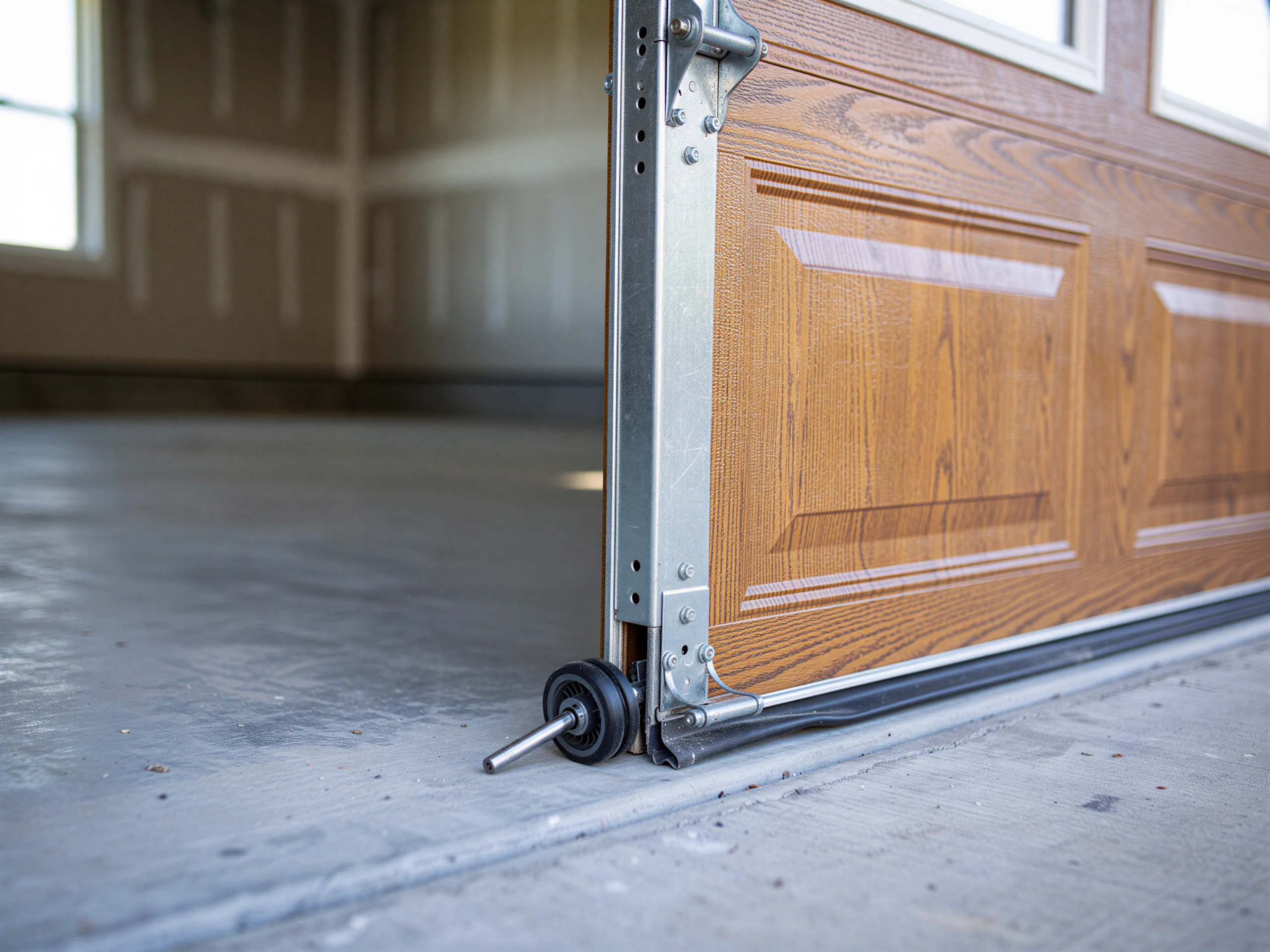
The Complications
A garage door that's jumped its track rarely does it for one reason. In the Kankakee service area, where housing mostly went up between 1938 and 1993 (median year 1969, per F1), you're dealing with original tracks, rollers, and hinges that were never built for the loads or the weather we actually get here.
Mid-century housing pattern
Thirteen communities around Kankakee, from Aroma Park three miles out to Donovan twenty miles south, share that same mid-century housing wave, so this isn't a one-house problem - it's a pattern across the area. When a bracket pulls loose from a jamb that's shifted slightly over fifty-plus years, or a roller finally gives out after decades of use, the door doesn't just stop working.
Binding and tilting doors
It binds, tilts, and can come off the rail entirely, sometimes with the door still partway up. Add a severe cold climate band that freezes grease stiff and makes steel brittle, and a marginal setup that was limping along in July can fail outright in January.
Hardware holding the door
The complication isn't usually the door panel. It's everything holding the door to the house: the track alignment, the roller condition, the bracket fasteners, and whether the opener's safety sensors are even reading the situation correctly once things are crooked.
What You Are Seeing
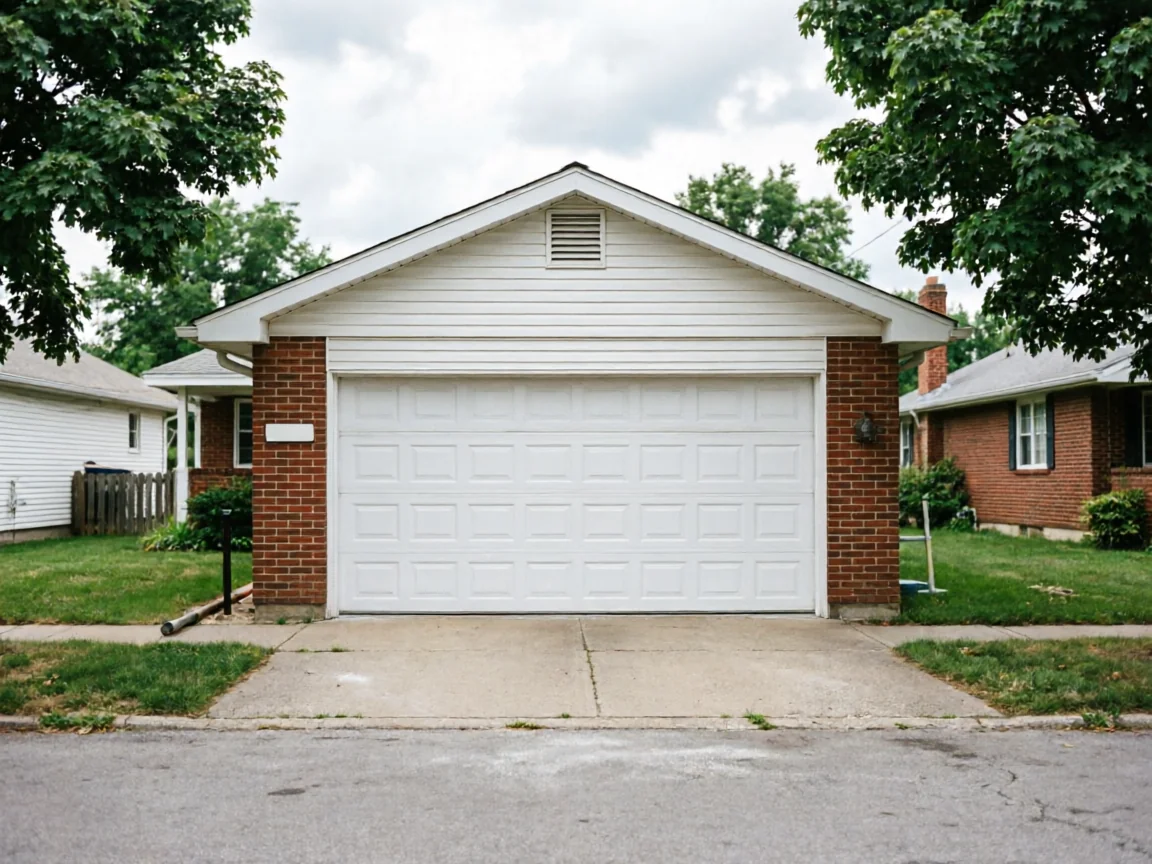
Most calls we get start the same way: the door looks fine from the street, but it's grinding, hanging unevenly, or stuck half open with a visible gap between the roller and the track on one side.
Roller jumps the rail
Sometimes there's a loud bang followed by the door refusing to move at all - that's usually a roller that's finally jumped the rail rather than rolling in it. On older houses in this area, the track brackets are often lag-bolted into jamb wood that's seen fifty-plus winters of expansion and contraction.
Quarter-inch jamb movement
A quarter inch of movement in that wood is enough to throw the whole track out of plumb. You'll see the door drag on one side, scuff paint off the track, or leave metal shavings on the floor.
Motor strain under resistance
If the opener still tries to run the door while it's off track, you'll hear the motor straining against resistance it was never built for. That's the point where a simple misalignment turns into a bent track, a cracked panel, or a stripped opener gear - and the job gets more expensive the longer it keeps trying to run.
What the Fix Involves
Getting a door back on track starts with figuring out why it came off in the first place, not just forcing it back into the rail.
Jamb bracket tightness
We check bracket tightness at the jamb, roller condition, track alignment top to bottom, and whether the cables and springs are still carrying even tension on both sides. On a torsion system - common in this housing stock - an uneven spring can pull a door sideways long before anything visibly breaks.
Longer fasteners for wood
Often the fix is a straightened or replaced track section, new rollers, and re-anchored brackets into solid wood, sometimes with longer fasteners to reach past wood that's weakened over the decades. If the door's been forced while off track, we also check the panel seams and hinges for stress cracks before calling it done.
Track replacement threshold
Here's the limitation worth knowing up front: if the track is bent badly enough, or the door's been run off the rail more than once, patching the track isn't worth your money. At that point replacing the track - sometimes the whole door - costs less over time than repeated roadside repairs on a system that's going to keep failing.
Why This Fails Locally
This fault shows up more here than it would in newer construction, and the reason is baked into the numbers. With 11,490 owner-occupied houses across roughly 21,932 households in the service area, and most of that stock dating to the 1960s and '70s across the thirteen named communities, a huge share of the doors in this region are running on hardware designed for a much lighter-duty era of garage use - single cars, no openers, lighter doors.
Pair that housing age with a severe cold climate band and you get metal brackets that contract in January cold, grease that thickens past the point of letting rollers move freely, and wood jambs that have dried and shifted over fifty-plus years of freeze-thaw cycles. None of that is unique to one house - it's the shared condition of the housing stock from Bradley to Momence.
With a median household income of $72,250 in the area, most owners here are weighing a $150 bracket repair against a $900 track-and-roller overhaul, and that's a fair question to ask before any work starts, not after.
Questions
Common questions
Why did my garage door suddenly jump off the track?
Usually it's a worn roller or a loose bracket that finally gave out, often after years of freeze-thaw movement in the jamb wood. On older houses in this area, that wood has shifted enough over fifty-plus years that the bracket fasteners are no longer biting solid material, so the track pulls loose under normal use.
Can I push the door back onto the track myself?
We'd rather you didn't. A door off track is usually still under spring tension, and forcing it back can snap a cable or drop the door suddenly. It's a quick fix for us, but a dangerous one to guess at without the right clamps and tools.
Is it ever cheaper to just replace the door than fix the track?
Sometimes, yes. If the track is badly bent or this is a repeat failure, patching it again usually costs more over time than a new track or door. We'll tell you straight which side of that line your job falls on before we start any work.
Explore more
Explore More Services In Kankakee, IL
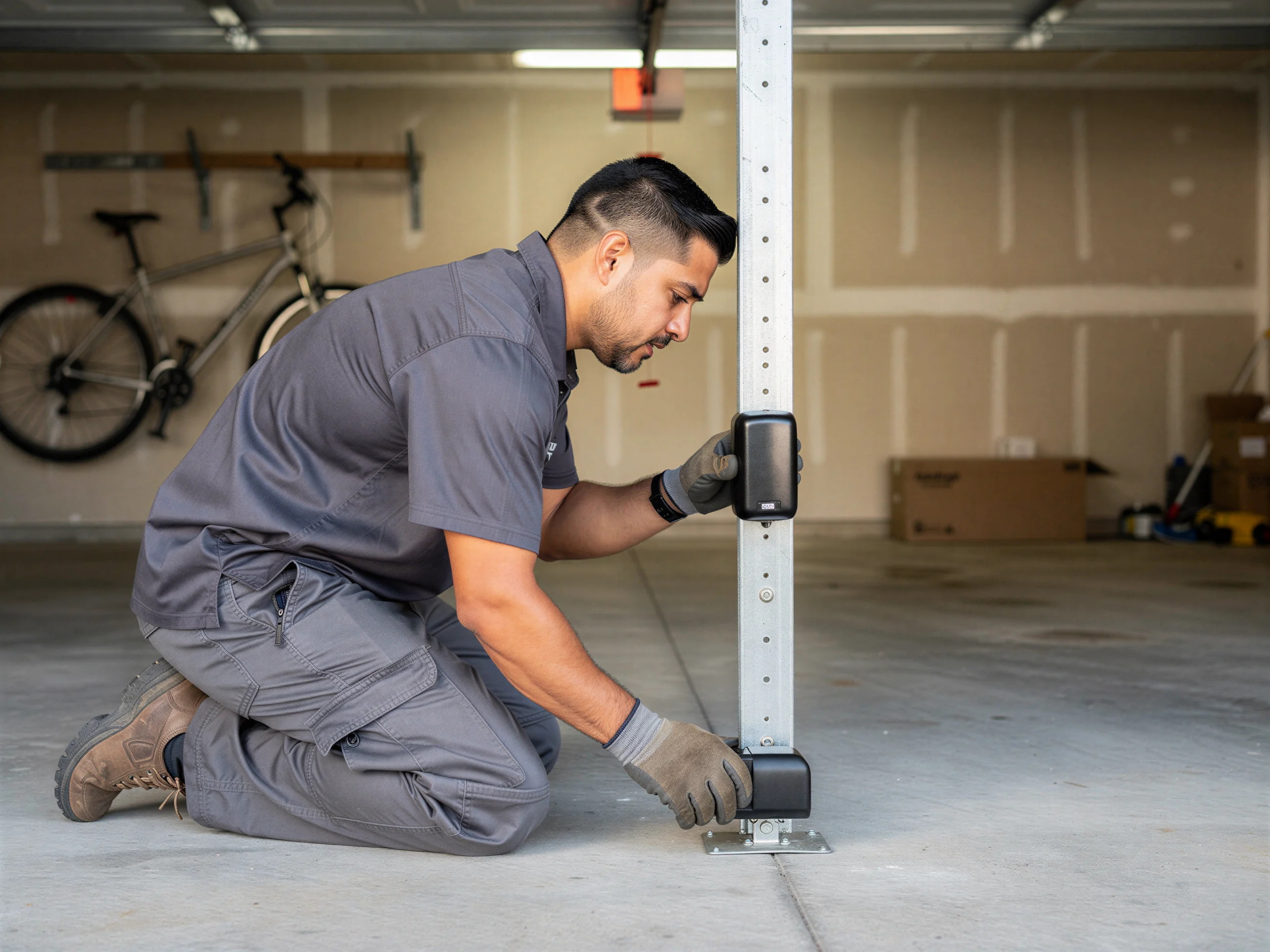
Garage Door Service for Kankakee's Older Torsion Hardware
Kankakee homes built mostly between 1960 and 1979 run original torsion hardware through severe cold winters. Learn more →
Garage Door Maintenance in Kankakee's Older Homes
Garage door maintenance for Kankakee's older housing stock and cold winters - what breaks, why it breaks here, and what a real tune-up actually covers. Learn more →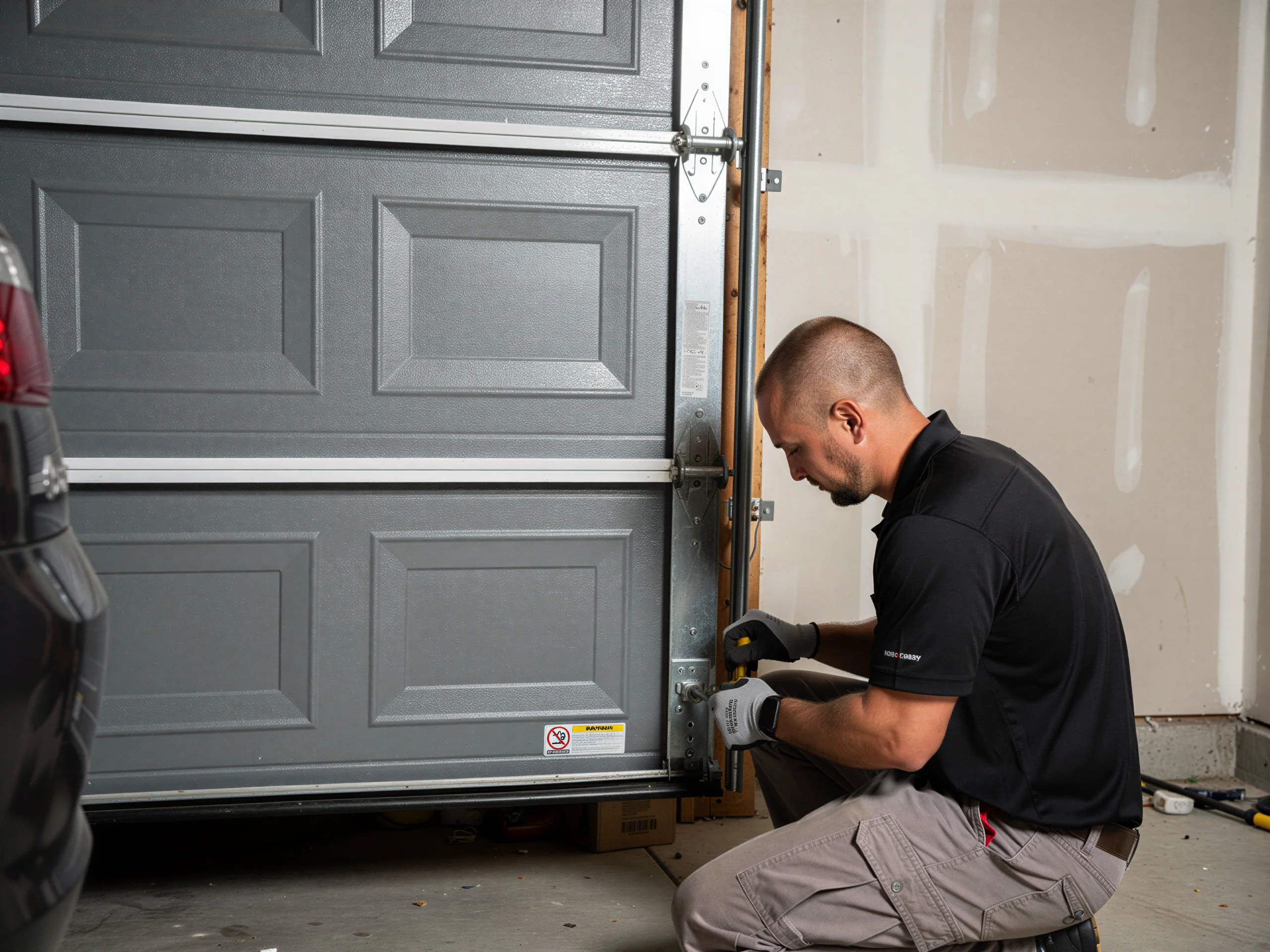
Kankakee Garage Door Repair: Fixing 1960s-Era Springs and Tracks
Kankakee's housing mostly dates to 1969, and cold-climate steel fatigue hits torsion springs and tracks hard. Learn more →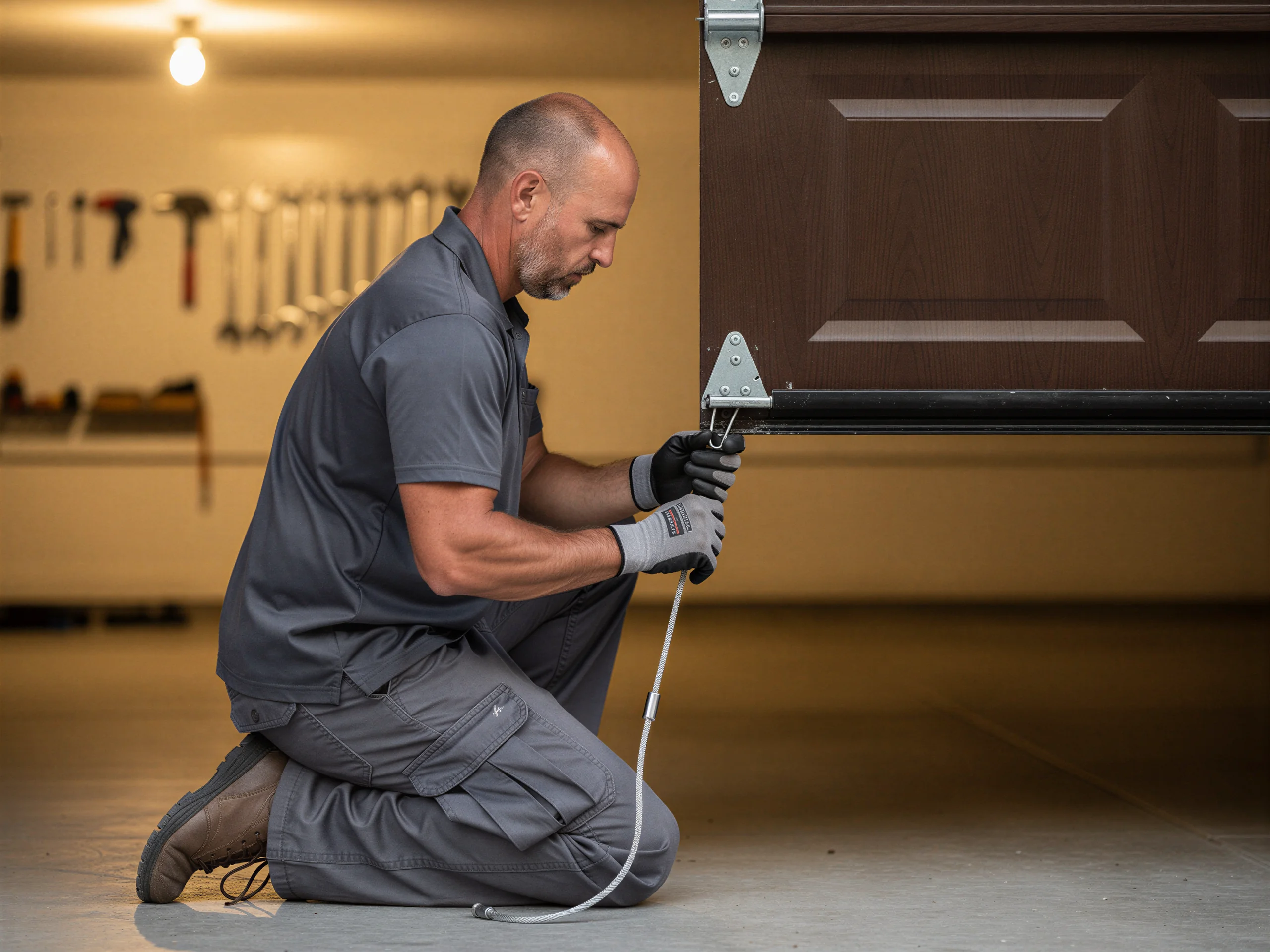
Garage Door Cable Repair for Kankakee Homes
Broken or frayed garage door cables are common on Kankakee's older housing stock. Learn more →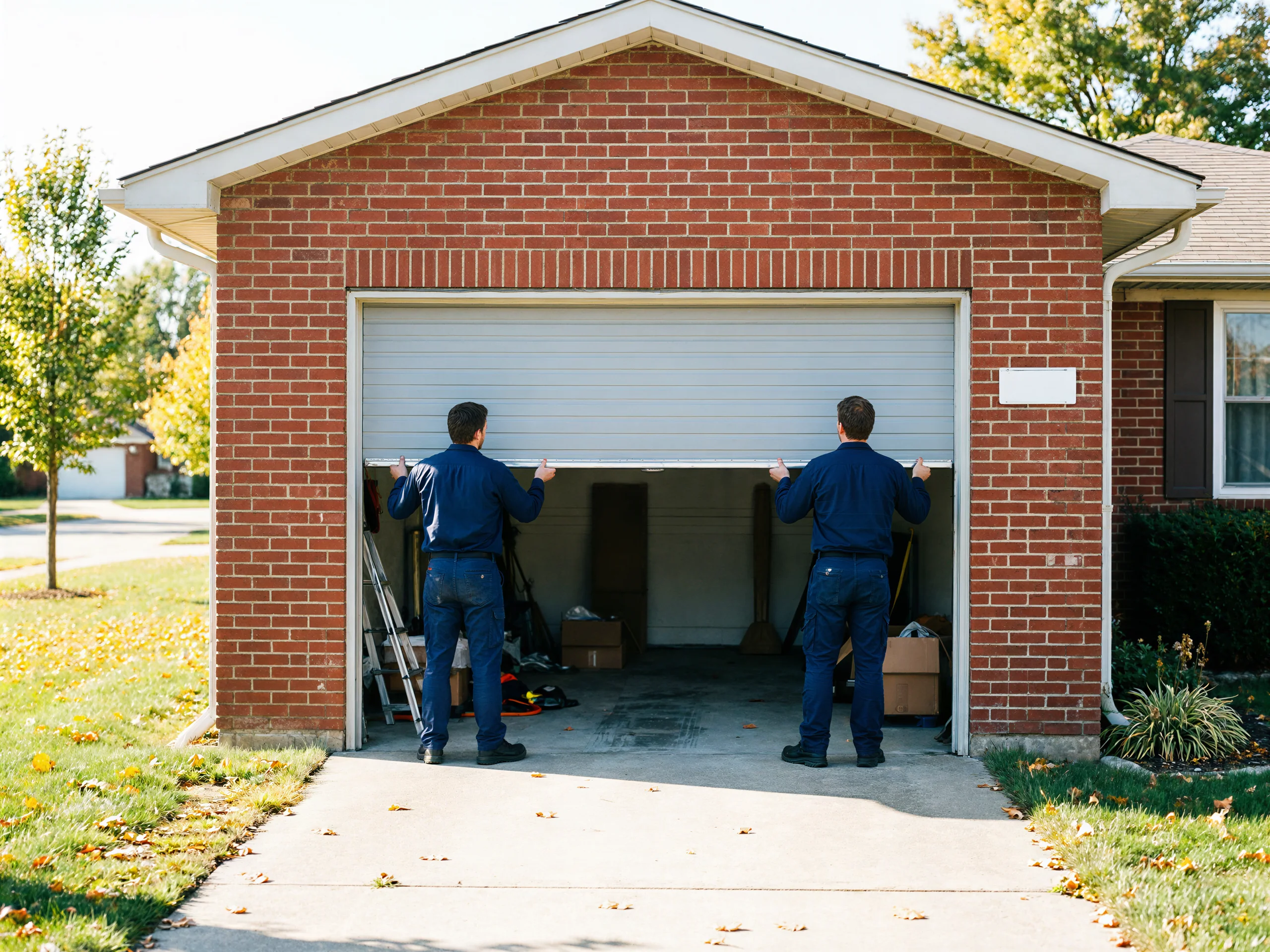
Garage Door Installation Built for Kankakee's Older Openings
New garage door installation for Kankakee homes built 1938-1993, sized for original openings and rated for severe cold winters. Learn more →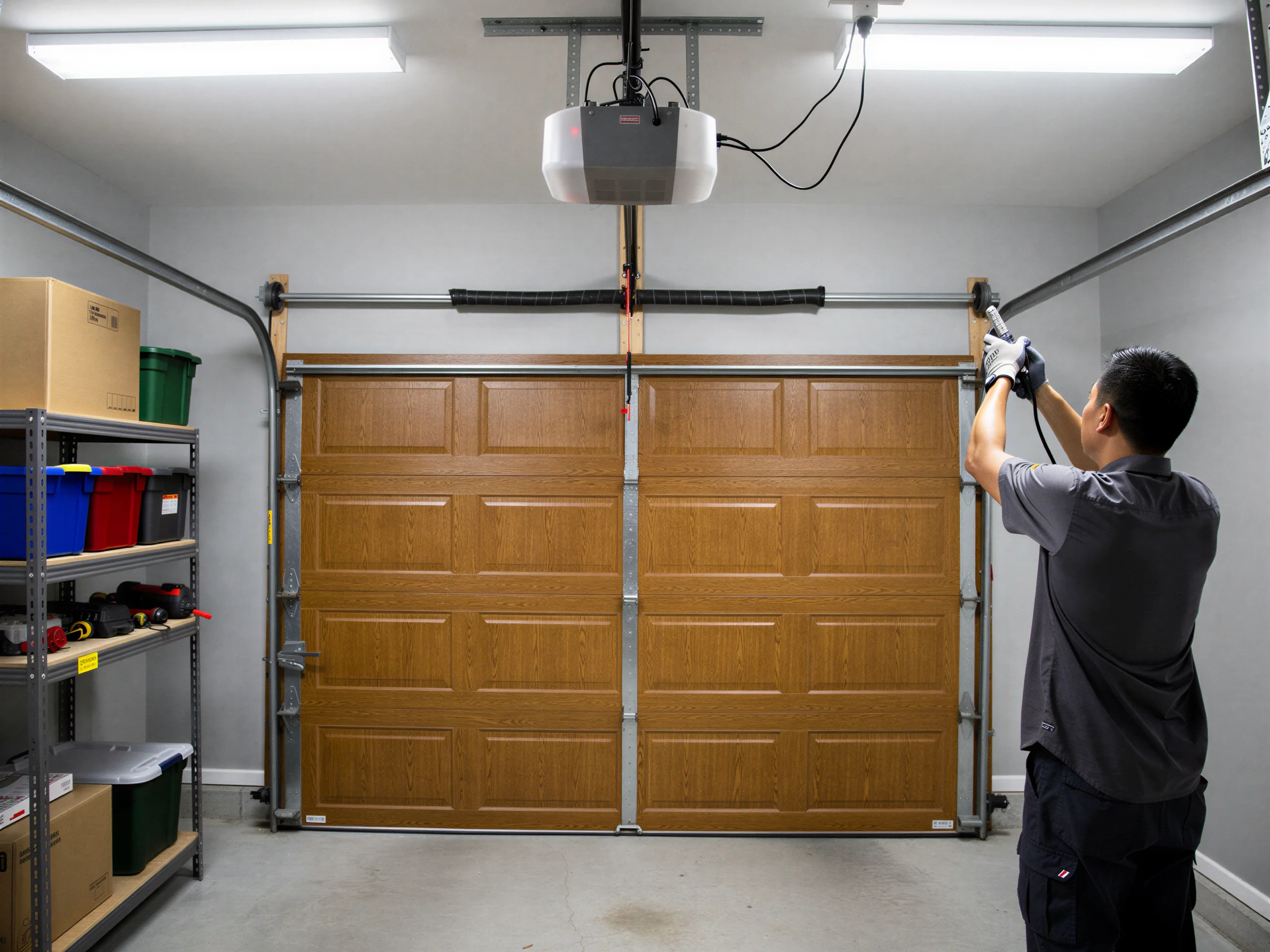
Garage Door Opener Installation for Kankakee Homes
Kankakee's housing stock runs 1938 to 1993, and most original openers weren't built for this cold. Learn more →Ready when you are
Garage door off its track in Kankakee?
Kankakee Garage Door Pros repairs and installs garage doors, springs and openers in Kankakee, IL and the surrounding area.